Welcome to the CLEANR Newsroom.

We make sure you stay up-to-date with reliable, consistent news about microplastics and CLEANR filtration.

Trick or Treat: Candy’s Hidden Plastic Trail

The food wrappers we toss may be haunting our environment long after Halloween…

Which Laundry Habits Reduce Microplastic Pollution? 

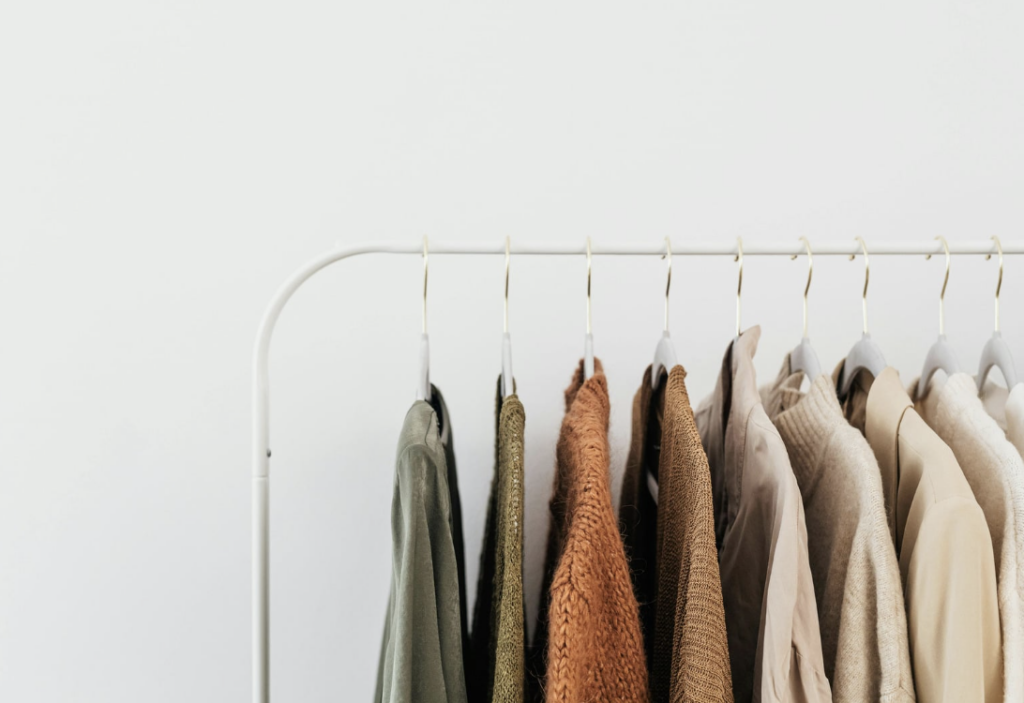
Your washing machine may be cleaning your clothes, but it’s also polluting the planet... Which Laundry Habits Reduce Microplastic Pollution?

Microplastics In Your Cup

Hot and cold drinks, everyday habits, and what we now know about hidden plastic…

Microplastics in Your Medicine Cabinet

Eye drops, dental products, and the hidden plastics we never think about

Natural Clothes, Unnatural Pollution

Study shows cotton and wool shed more microfibers than polyester, and they’re not as “natural” as you’d think.

Microplastics Are Clogging Septic Systems and Draining Wallets

Here’s Why Septic Tanks Can’t Handle Plastic and What You Can Do About It.

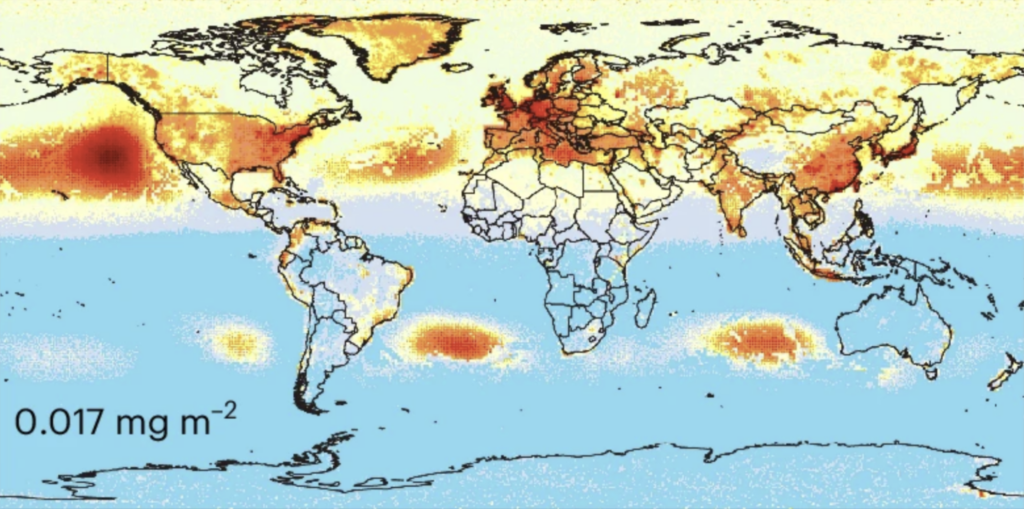
New Study Projects Ocean Microplastics to Rise Tenfold by 2100

The food wrappers we toss may be haunting our environment long after Halloween…

Counting Macros… and Microplastics?

A scientific study reveals which high-protein foods have the most microplastics

From the Bottom of the Ocean to the Top of Mountains, Here Are the Strangest Places Microplastics Have Been Found.

The Mariana Trench, Mount Everest, Hedgehogs, the Human Brain, and more. These tiny plastic particles are turning up in places you’d never expect, and they’re not going away.

Enjoy Eating Fish? A New Study Reveals Which Seafood Has the Most Microplastics

Microplastics have made their way into the seafood aisle.

Microplastics Are Being Released in Your Home. The #1 Source Will Shock You.

What happens in the laundry room doesn’t stay there.

Your Garden’s New Enemy: How Microplastics Are Hurting Your Houseplants

Your favorite plant might be struggling for a reason you can’t even see.

Plastic Free July: The Summer Challenge Helping People Ditch Plastic for Good

Can you go for a month without plastic?

Even Glass Bottles Aren’t Safe: Study Finds Microplastics in Your Favorite Summer Drinks

Your summer beverage might be hiding more than you think.

Microplastics are Carriers of Toxic Additives

While microplastics have harmful health effects of their own, they can also act as carriers of additives and toxic chemicals that can leach into our bodies.

Microplastics in Meat: A Hidden Ingredient in Your Dinner?

Microplastics have been found in nearly all types of meat, even plant-based protein and meat alternatives.

Microplastics and Reproductive Health: A Growing Concern

Scientists are investigating whether microplastic particles could be interfering with reproductive health.

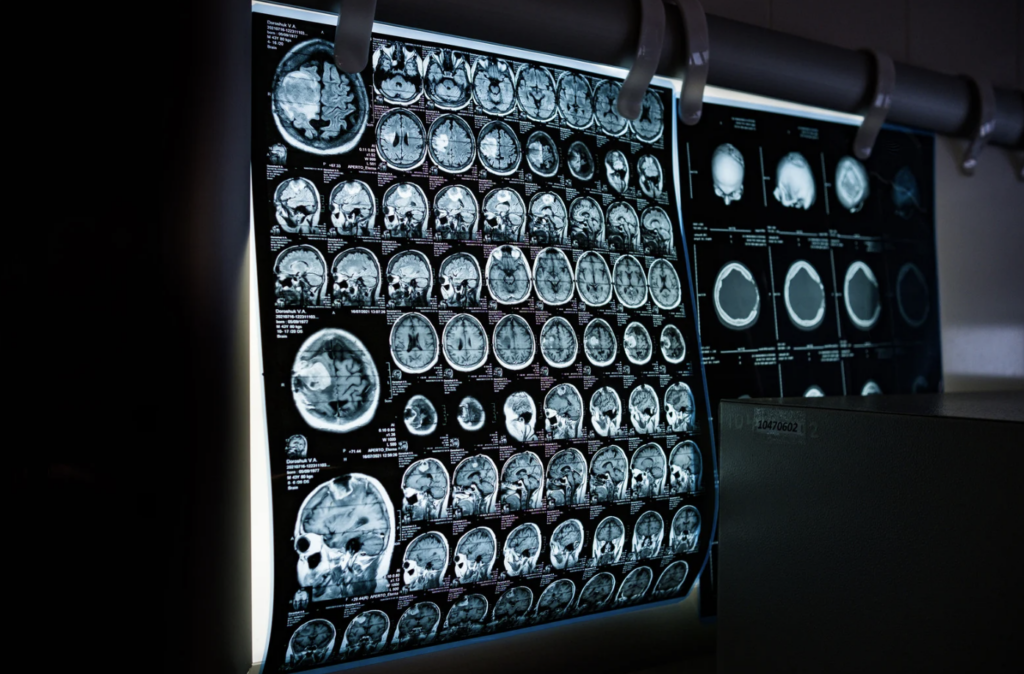
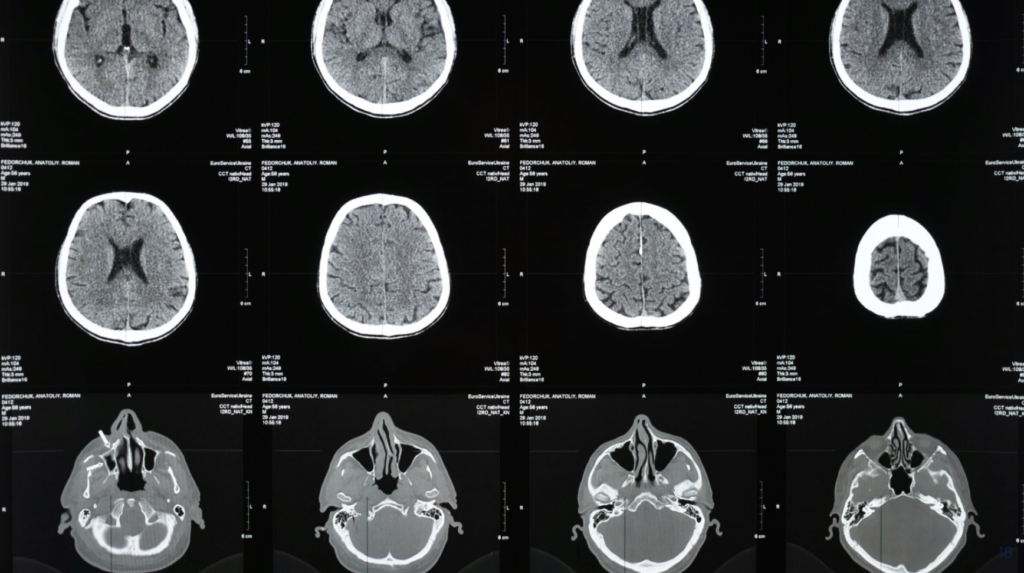
Microplastics in the Brain: How Microplastics are Infiltrating Our Bodies

Scientists are uncovering alarming evidence that microplastics, tiny plastic particles from our environment, can infiltrate the brain—raising serious concerns about their impact on human health.

Microplastics Revealed in the Placentas of Unborn Babies.

All 10 placentas from a study contained microplastics.

Microplastics Found in Human Blood for the First Time.

Recent studies show that microplastics have been detected in human blood and urine samples.

Featured Posts

CLEANR Featured in San Francisco Chronicle for Tackling Microplastics at the Source

Are dishwashers and laundry machines covering your stuff in microplastics? Here’s what to know

Microplastics are everywhere — new device yanks them from your laundry

CLEANR is a new washing machine filtration system designed to capture microfibers that slough off clothing.

The Shaw Institute Validates CLEANR for Washing Machines is Over 90% Efficient in Removing the #1 Source of Microplastics into the Environment

The Shaw Institute certifies CLEANR washing machine filter as over 90% efficient capturing microplastics at 50-microns.

CLEANR Debuts Powerful New Washing Machine Filters to Help Stop the Largest Source of Microplastic Pollution from Entering the Environment

New nature-inspired filters consistently outperform the market in manufacturer-testing, are small enough to integrate without major changes, enables microplastics capture in under 30 seconds a week