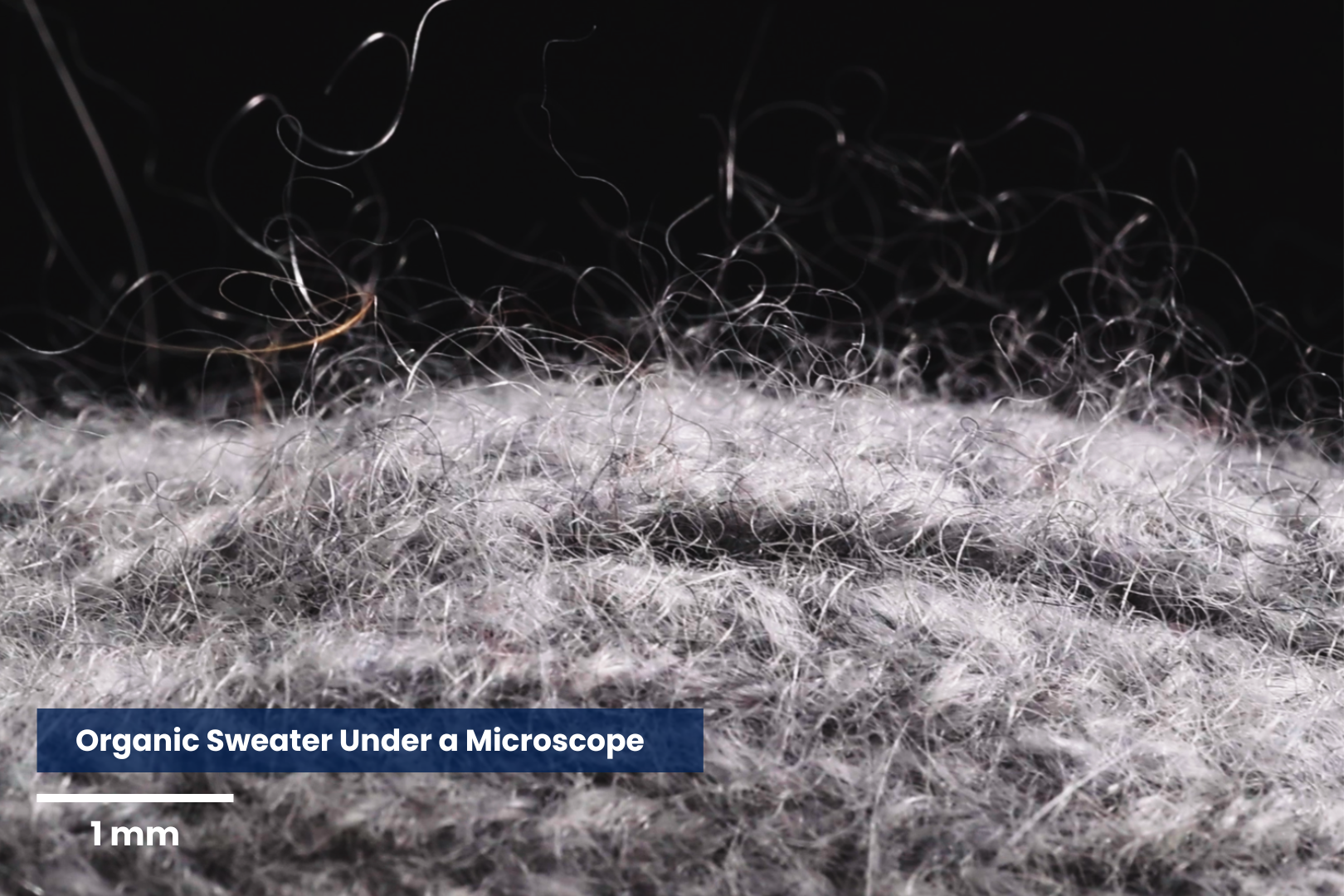
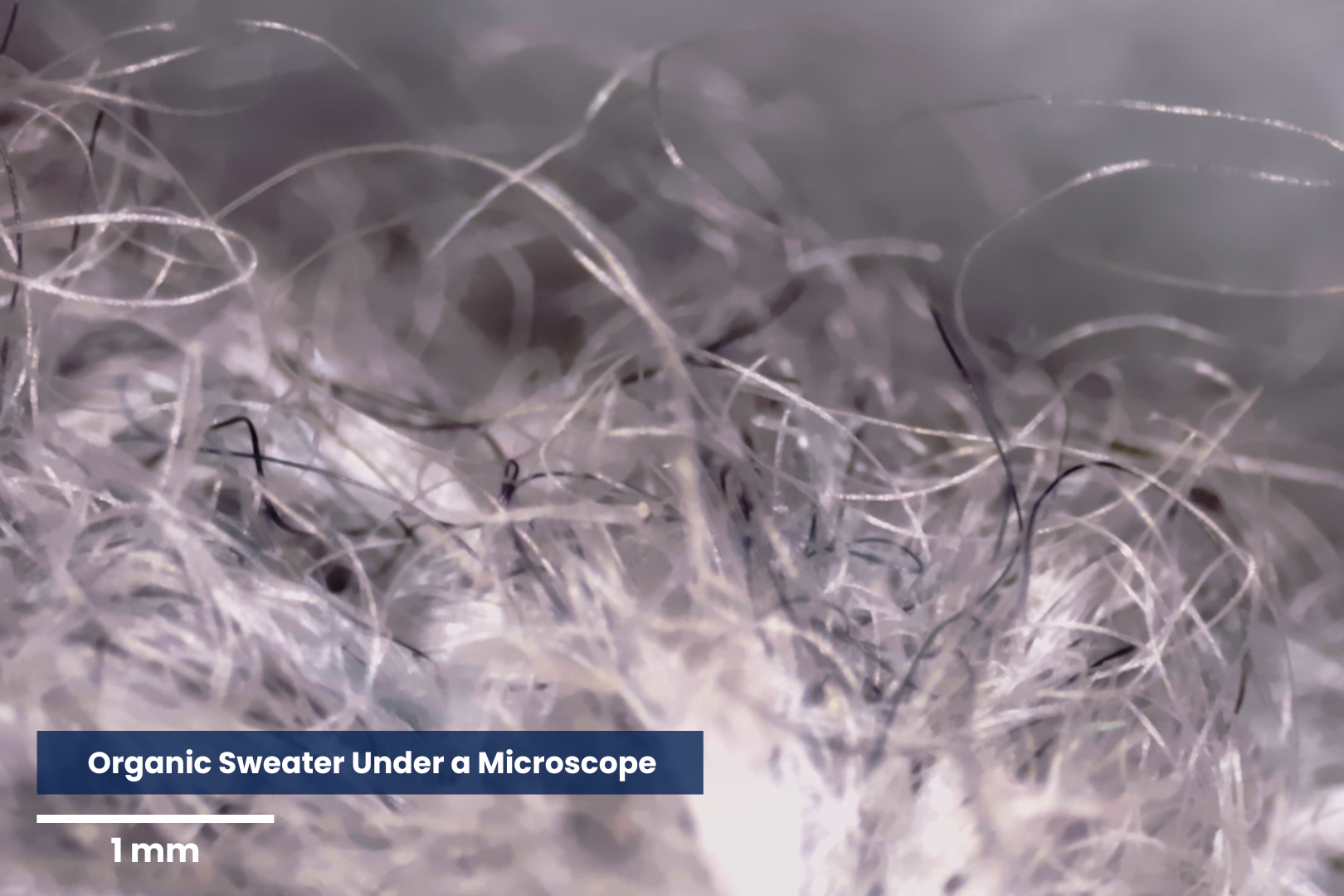
If my clothes are natural, why should I worry about microplastics?
Because natural doesn’t always mean safe! Treated fibers (coatings and dyes) can release microplastics and chemicals just as toxic as synthetics.
Natural vs. Synthetic - What’s the Difference?
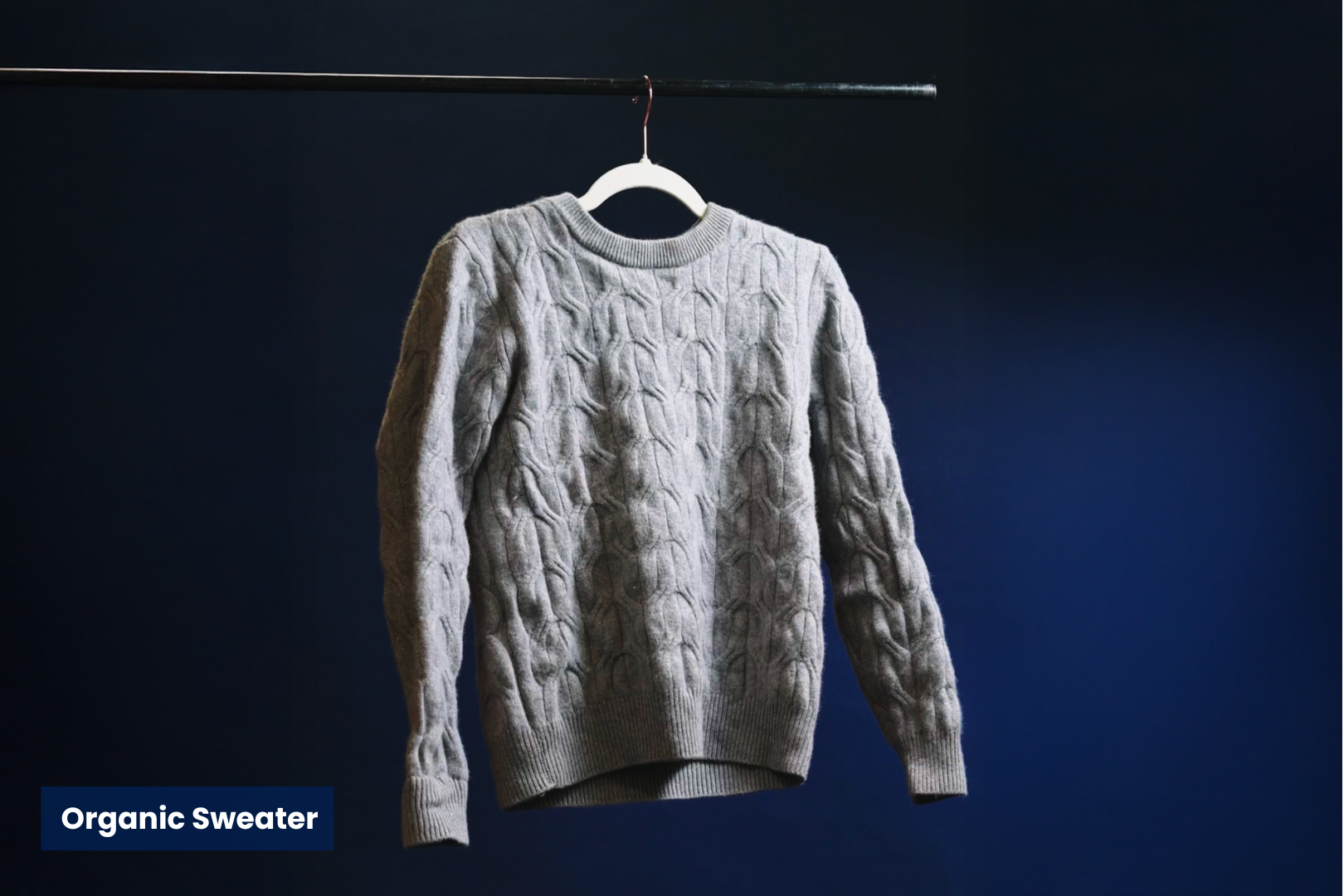
Natural Fibers (Plant & animal based — cotton, wool, hemp, linen, silk)
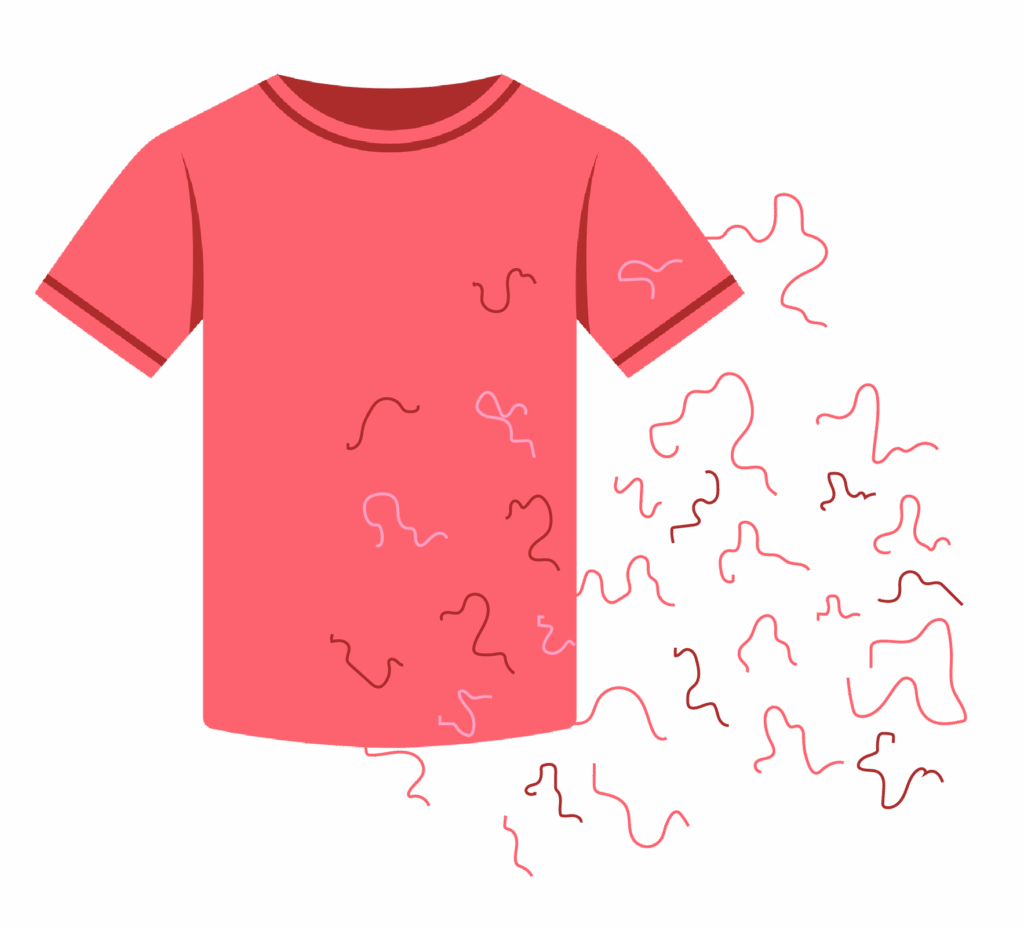
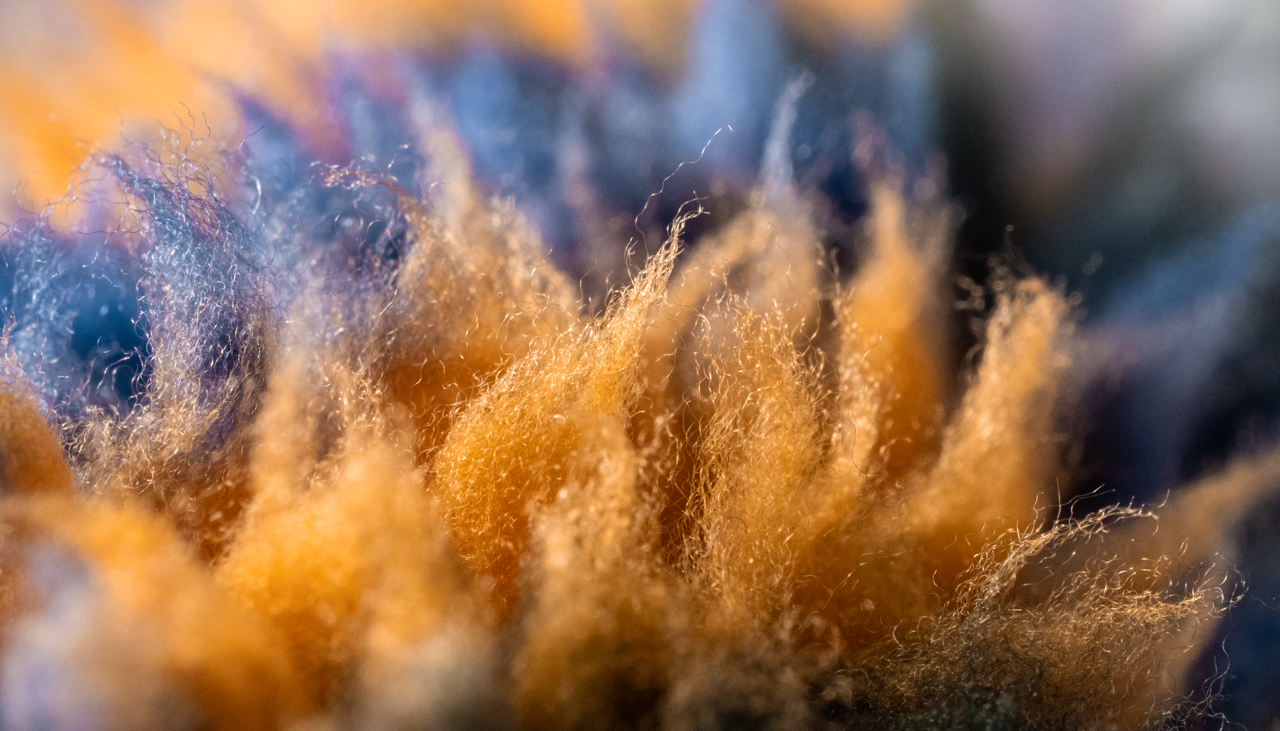
Every time we run a load of laundry, the wash cycle creates tiny abrasions in your clothes, causing millions of plastic microfibers to shed. These fibers leave the washing machine, go down the drain, and slip past wastewater treatment plants to end up in our water, food, and bodies.
Synthetic Fibers (Plastic-based — polyester, nylon, acrylic, elastane)
Synthetic fibers shed persistent microplastics that linger in water and soil for years.
Why are fibers from my natural clothes releasing microplastics?
Plastic Dyes
Many “natural” garments use synthetic dyes and require chemicals to do so; those plastic colorants and auxiliaries hitch a ride on shed fibers.
Toxic Additives
Finishes like wrinkle-free, stain-repellent, and water-resistant coatings often contain plastic and toxic chemicals that prolong fiber persistence in the environment.
Heavier Shedding
~30% of global fiber production is natural. These fabrics can shed even more than synthetics when washed and are not as harmless as they seem.
"Natural fibers, though often perceived as harmless, can persist in the environment when chemically treated — and may even carry greater toxicity than synthetic fibers due to additives and their capacity to absorb pollutants"
Source: Water Journal (MDPI)
Wait… What’s On My Clothes?
Fibers, Treatments, Chemicals & Health Risks
| Fiber Type | Treatment / Finish | Chemical Example | Key Health / Environmental Risks |
|---|---|---|---|
| Natural | Wrinkle-free finish | Formaldehyde resins | Respiratory & skin irritation; classified carcinogen. |
| Natural | Water repellency | Silicones / waxes | Not biodegradable; fibers persist in the environment. |
| Natural | Dyes / colorants | Azo dyes | Potential carcinogen, skin irritation; difficult to filter from wastewater. |
| Synthetic | Water/oil repellency | PFAS (fluoropolymers) | “Forever chemicals”, accumulates in water and spreads; linked to hormone disruption and cancers. |
| Synthetic | Flame retardant | PBDEs / organophosphate FRs | Hormone disruption; developmental & neurotoxicity. |
| Synthetic | Plasticizer / softener | Phthalates (e.g., DEHP) | Endocrine disruption; reproductive risks. |
- https://www.epa.gov/sites/default/files/2016-09/documents/formaldehyde.pdf
- https://www.lifetechnology.com/blogs/life-technology-science-news/toxicity-of-azo-dyes-in-fashion-industry
- https://www.epa.gov/pfas/our-current-understanding-human-health-and-environmental-risks-pfas
- https://www.epa.gov/system/files/documents/2025-06/15.-dehp-.-draft-consumer-and-indoor-exp-tsd.-hero-.-may-2025.pdf
We can’t stop doing laundry…
but we can stop fibers from polluting.
Trap 90%+ of ALL Microplastics and Fibers Before They Pollute Our Environment with CLEANR’s Filter for Washing Machines
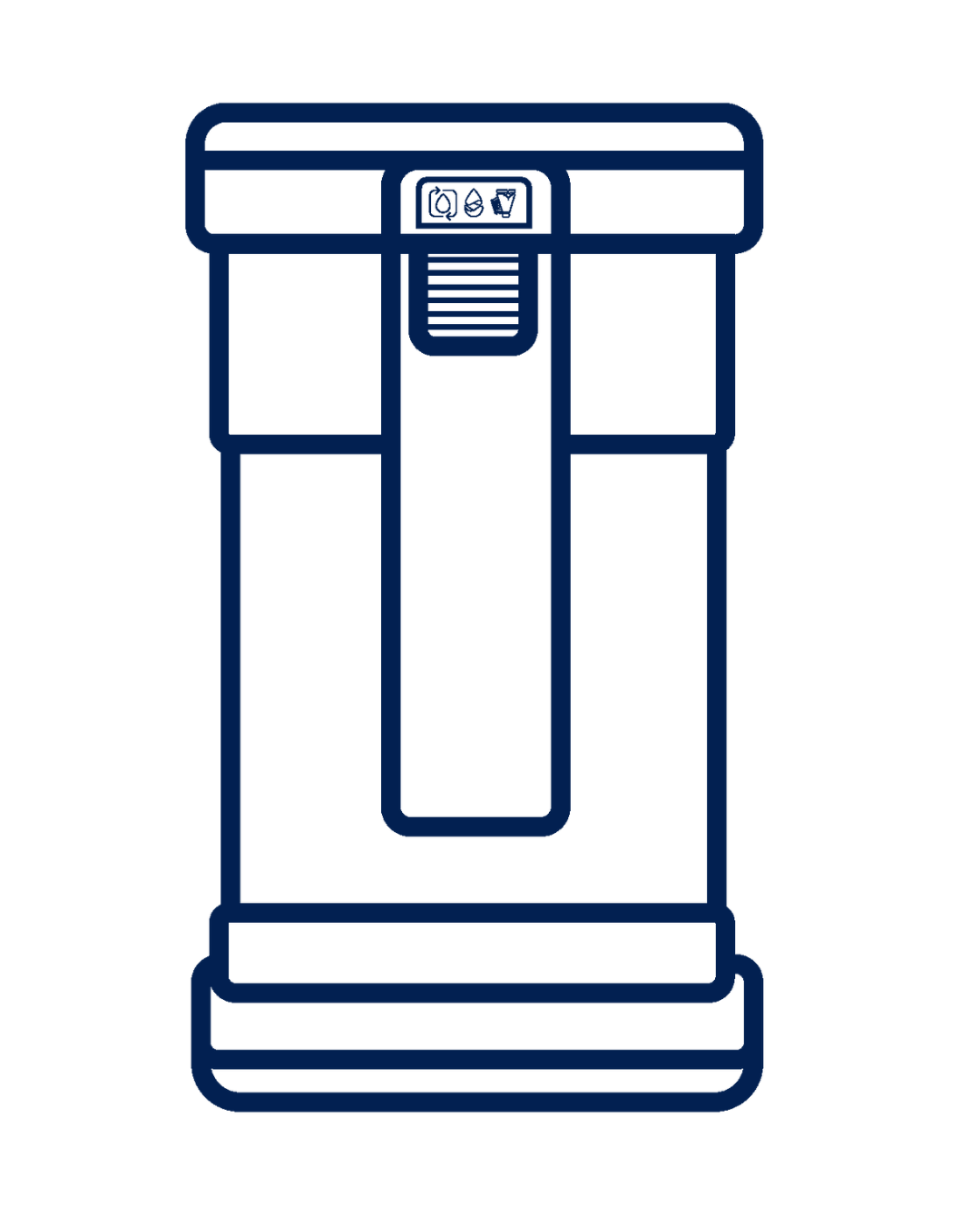
Keep your clothes, change the impact. CLEANR’s Filter attaches to any washing machine to capture both natural and synthetic microfibers before they enter the water supply. With one simple step, you’re protecting rivers, oceans, and communities, starting from your laundry room.
Works on any washing machine make or model
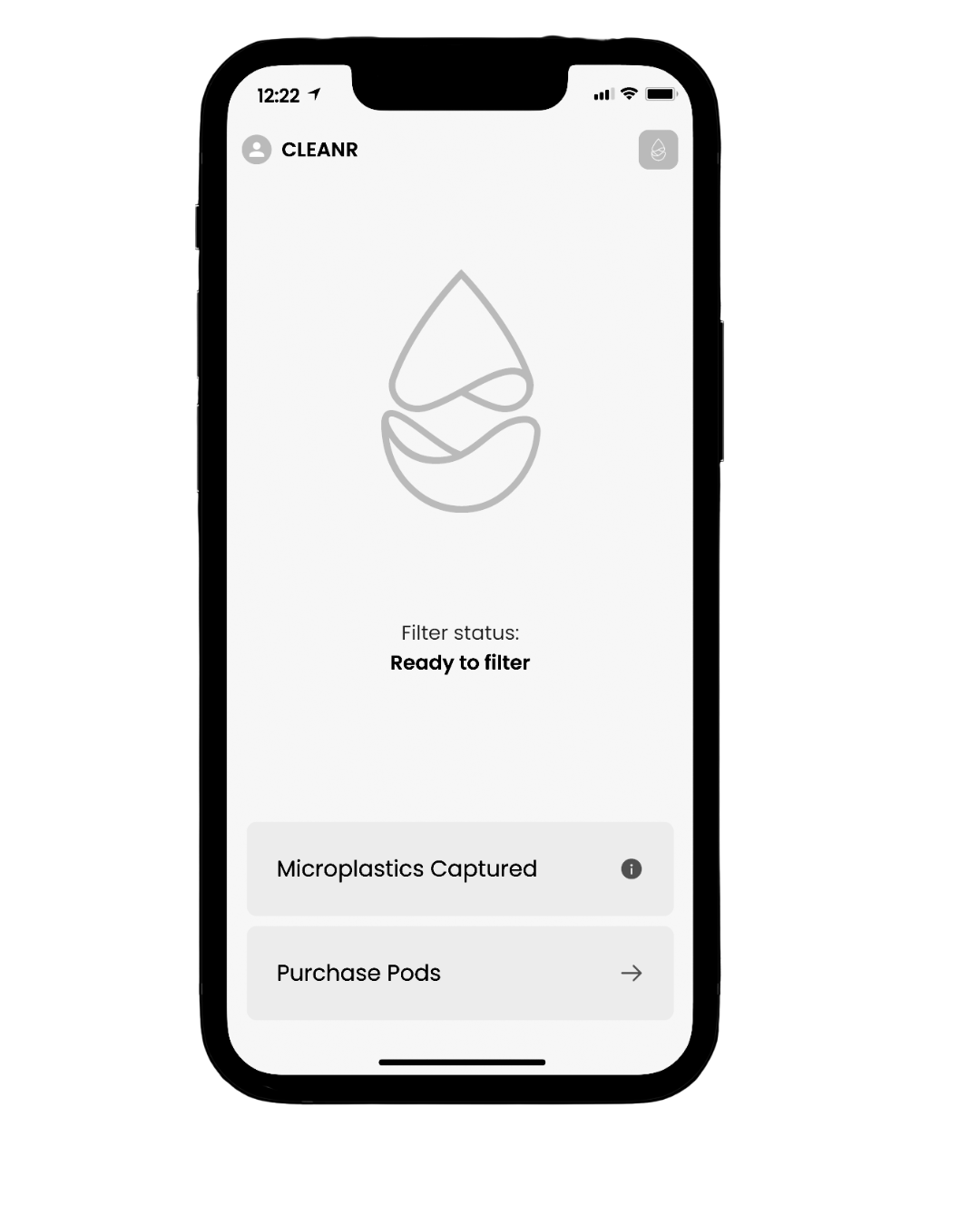
See & measure your impact
with the CLEANR App
15 minute self‑install, no tools required
Less than 30 seconds of maintenance per week
FAQs
Do natural fibers shed microplastics too?
Cotton, wool, and other natural fabrics shed microfibers heavily during washing. Natural fibers are often treated with dyes and/or coatings those fibers carry synthetic chemicals that pollute our water just like microplastic fibers.
If natural fibers are biodegradable, isn’t that safer?
Not always. Treatments like wrinkle-free resins, waterproof coatings, and synthetic dyes composed of plastics can slow down or block biodegradation. In fact, treated natural fibers can persist in the environment and even absorb other pollutants.
Can choosing certain clothes reduce microplastic pollution?
Wearing natural clothing is often better than wearing synthetic clothing, but it does not solve the microplastics problem.
All textiles still shed microfibers, and most garments have plastic/synthetic additives. The most reliable way to stop pollution is to capture all fibers (synthetic, mixtures, coated, natural) with a filter.

How does the CLEANR filter help?
CLEANR captures over 90% of fibers, whether natural or synthetic, at the source before they can enter our water. By trapping fibers early, we stop them from polluting waterways, soils, and the food chain.
Keep Reading
Unraveling Physical and Chemical Effects of Textile Microfibers
Water (MDPI) 2022
Suggests that the effects of microfibers created from natural polymers are equivalent to, or only slightly reduced compared with, synthetic fibers.
Natural Fibers: A Missing Link to Chemical Pollution Dispersion in Aquatic Environments
Environmental Science & Technology 2015
Both natural and synthetic fibers absorb chemicals, but faster-degrading natural fibers may make chemicals bioavailable sooner to the environment.
Marine Environment Microfiber Contamination: Global Patterns and the Diversity of Microparticle Origins
Environmental Pollution 2018
Characterizes microfibers and microplastics by size, shape, and material, showing that natural fibers also persist in the environment.
Environmental Impact of Textile Materials: Challenges in Fiber–Dye Chemistry and Microbial Biodegradation
Polymers (MDPI) 2025
Reviews dyes released with microfibers during laundering and discusses safer dye alternatives than those commonly used in apparel.
Impact of Dyes and Finishes on Microfibers Released During Laundering of Cotton Knits
Environmental Pollution 2021
Changes to fiber/fabric mechanics from finishing treatments are a major driver of microfiber release.
Functionalized Textile Microplastics: Issues, Strategy, and Legislation for Reduction
Kuwait Journal of Science 2025
Reviews hazardous and toxic substances used across textile production and policy approaches to reduce microplastics.