Your Septic Tank Wasn’t Built for Microplastics… and Neither Was Your Well Water
The Hidden Source of Contaminated Well Water and Costly Septic Repairs
Your Laundry Clogs Your Septic Tank & Pollutes Your Well Water with Microplastics
Microplastics from Laundry
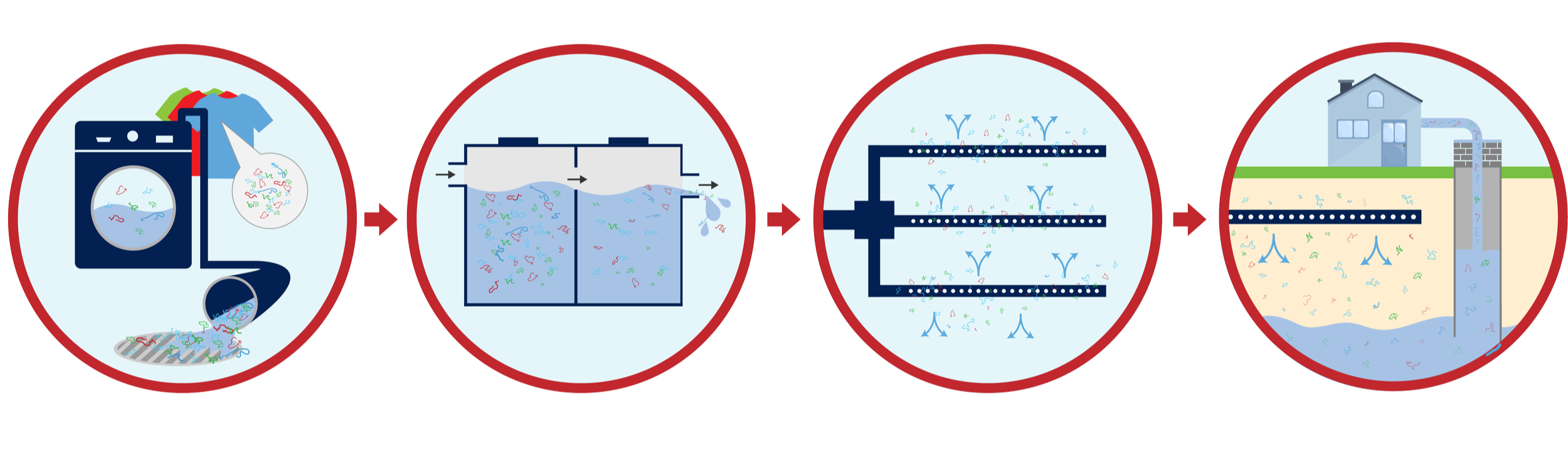
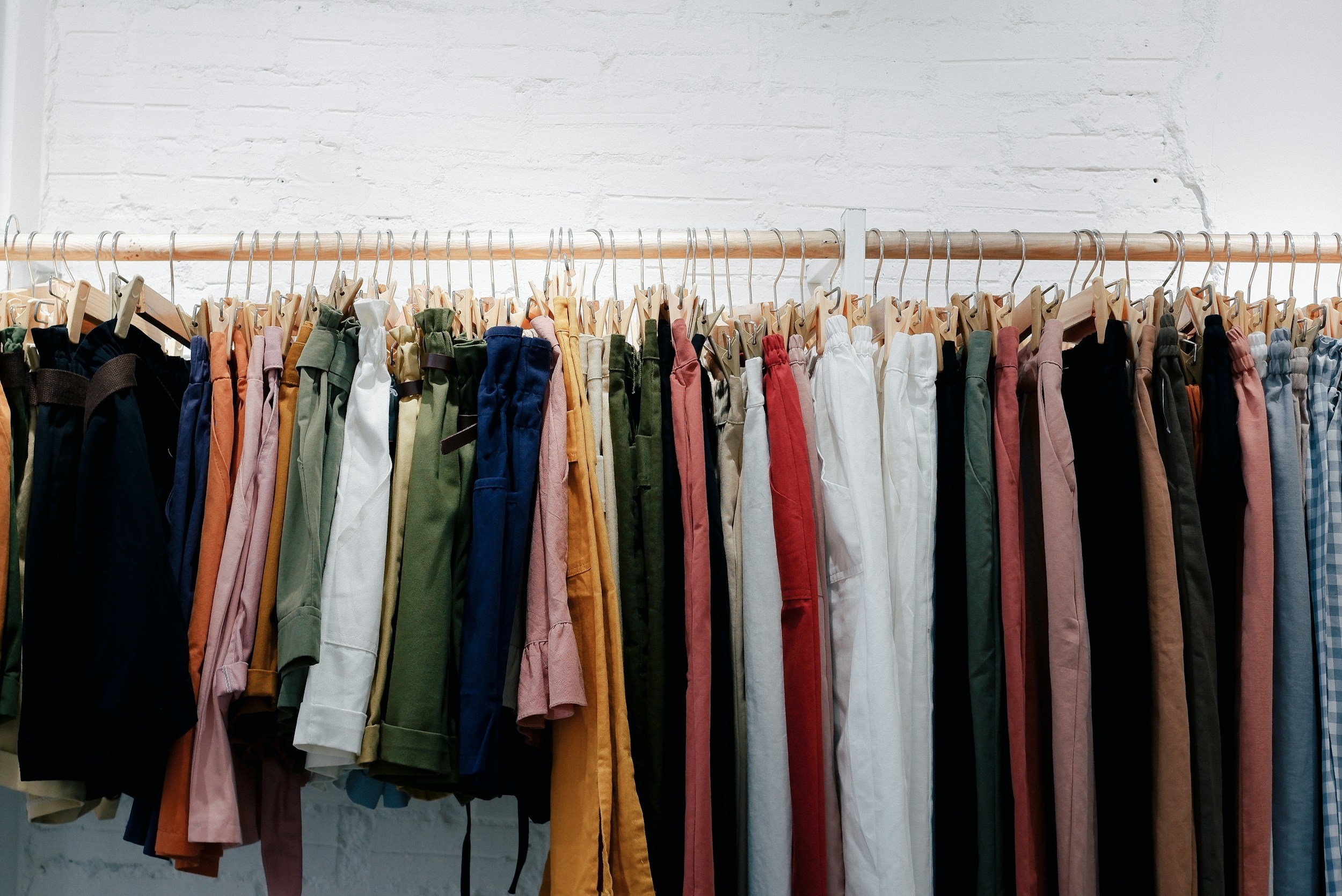
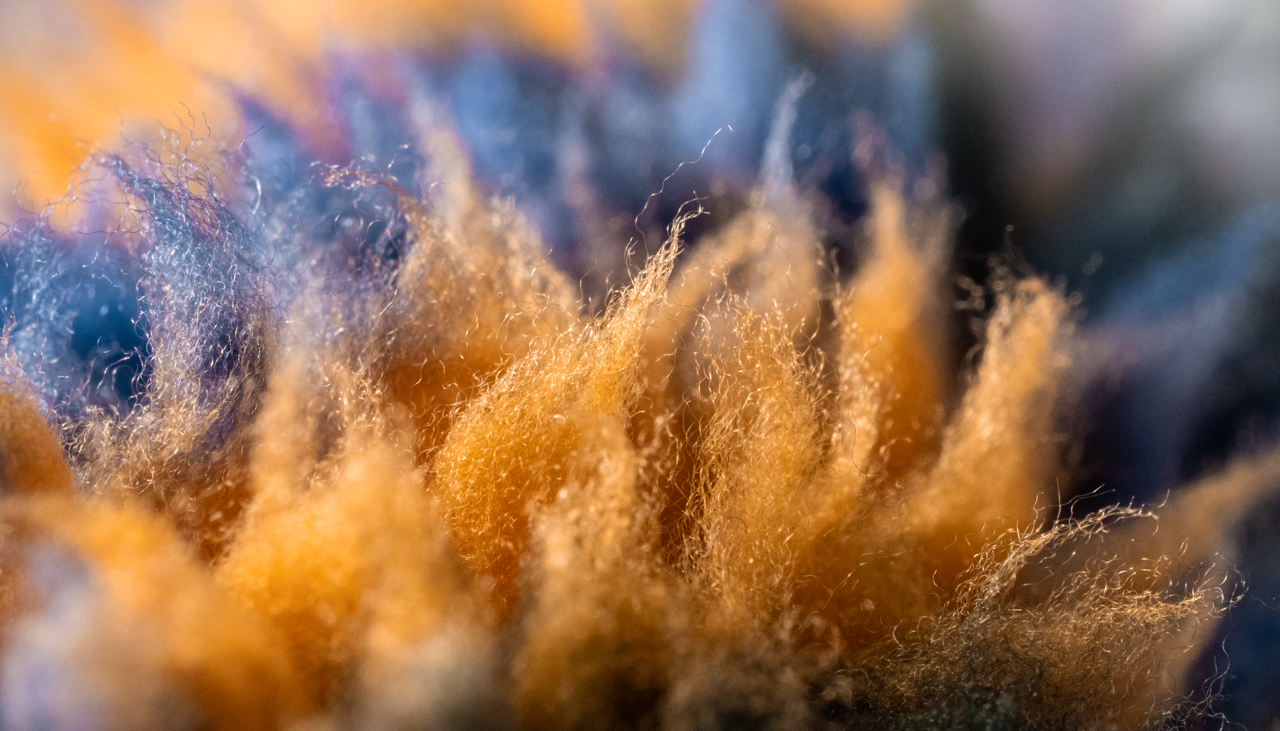
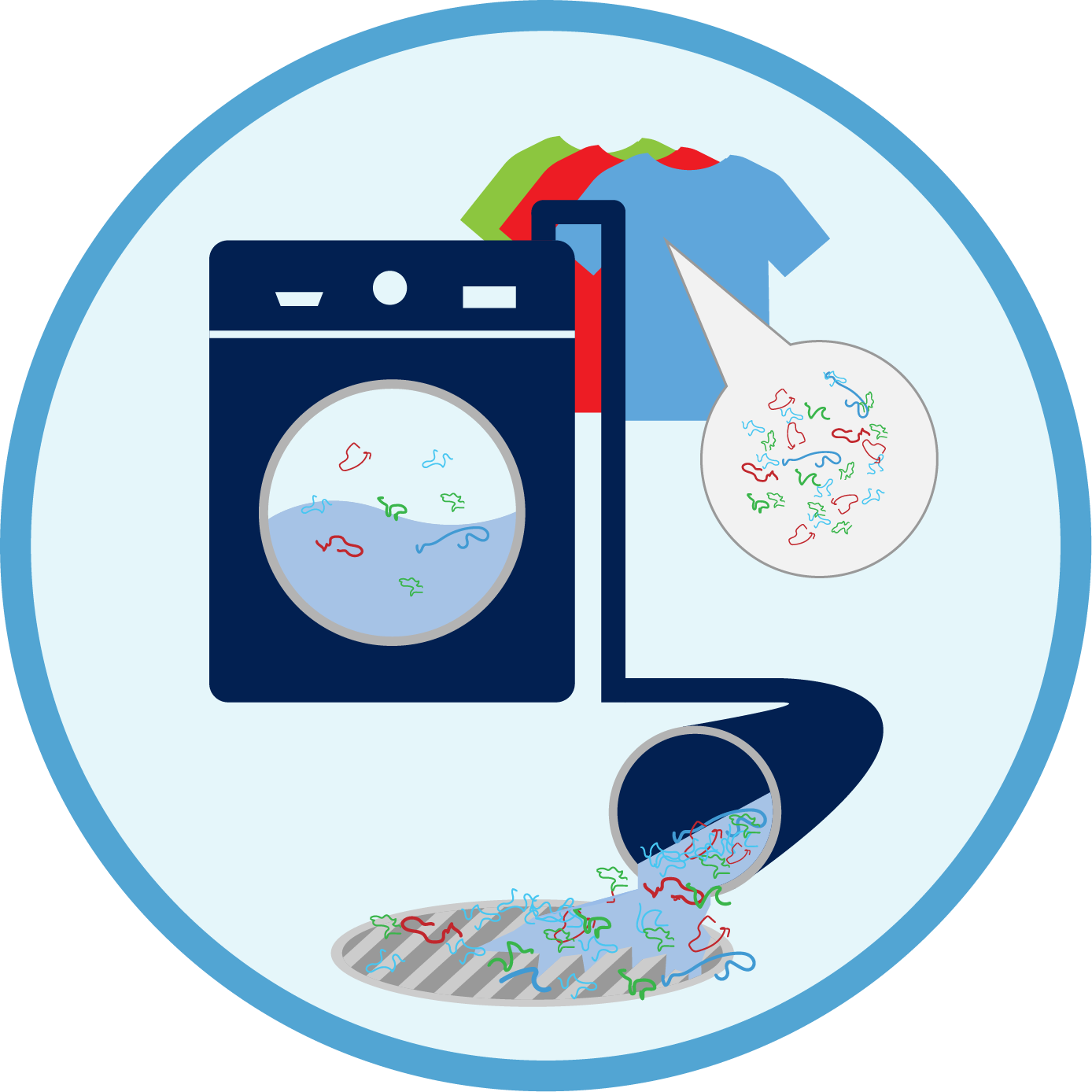
Laundry is the largest source of microplastics pollution. Just like lint made of clothing fibers is produced in the dryer, the washing machine cycle causes a similar shed of lint (clumps of clothing fibers) and microplastics (tiny plastic fibers) from our clothes… with nothing to catch it.
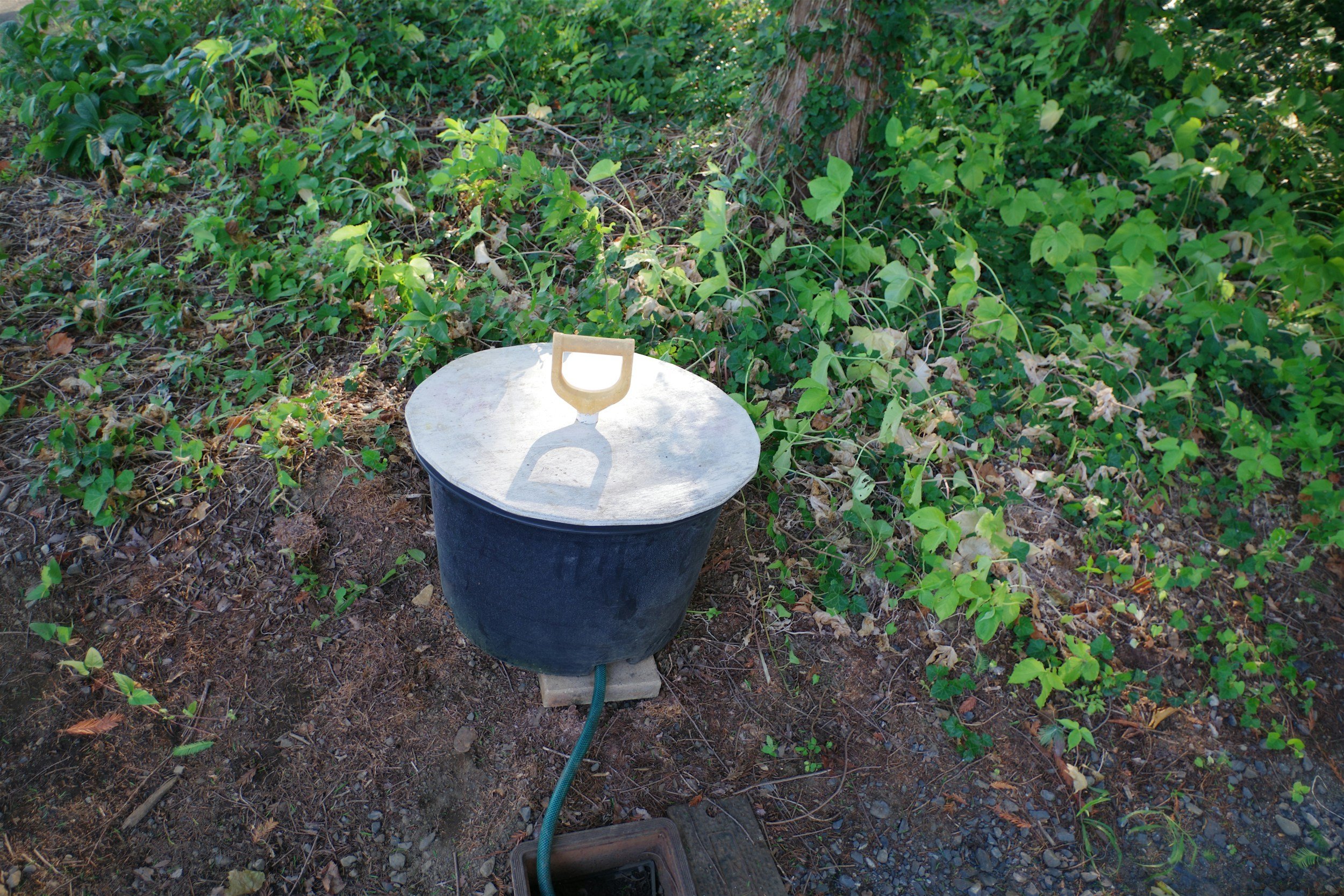
Into Your Septic System
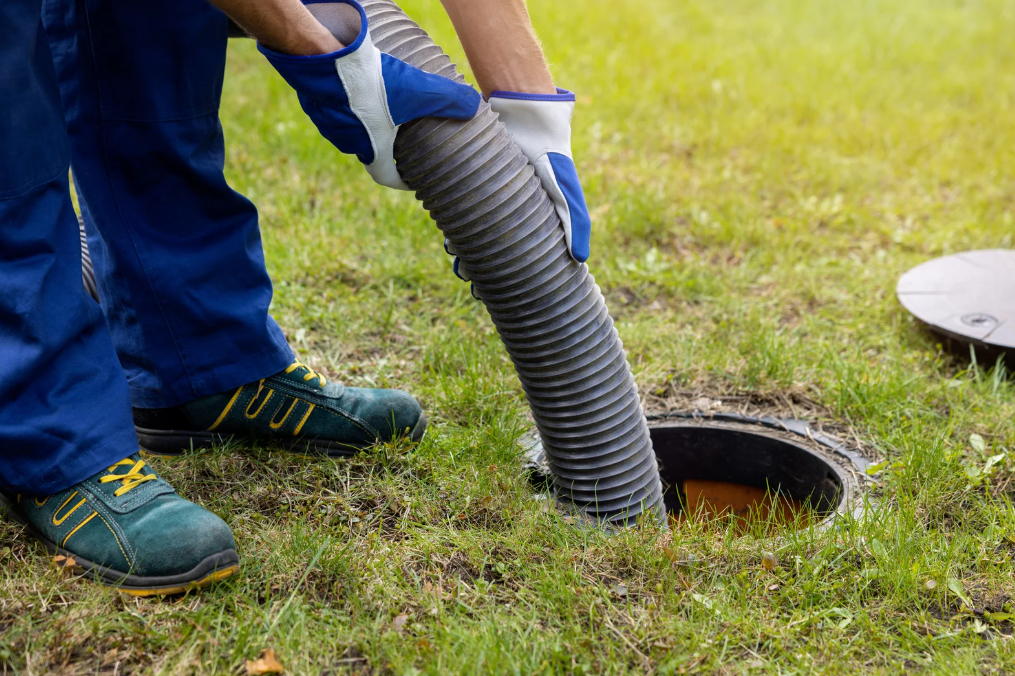
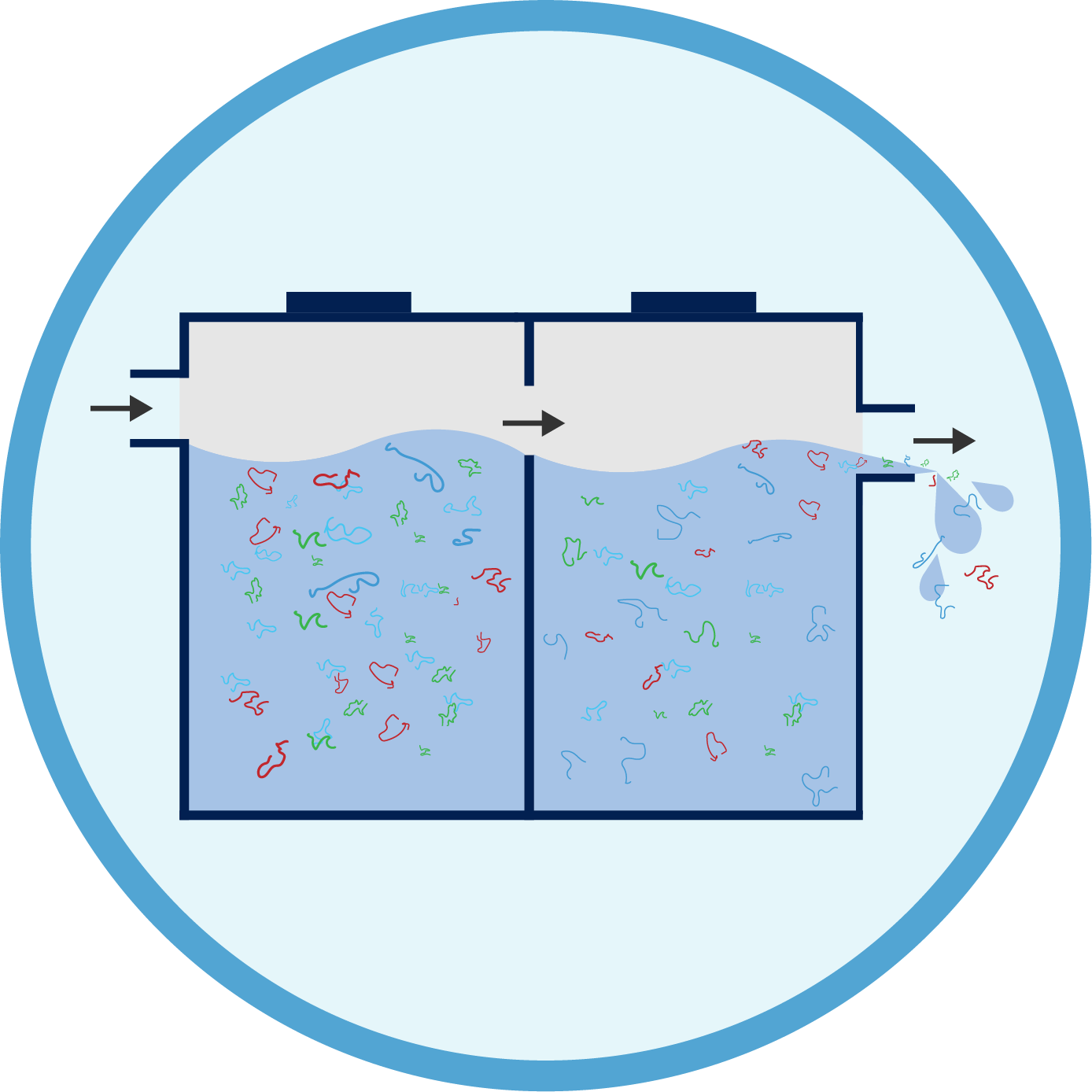
Without a filter to catch the particles leaving the washing machine, lint, microplastics, hair, and other particulate flow straight into the septic tank with the wastewater, where the mixture can clog pre-filters and require frequent maintenance. The microplastics, due to their very small size, slip through and reach the drain field.
Out Through Septic Drain Field
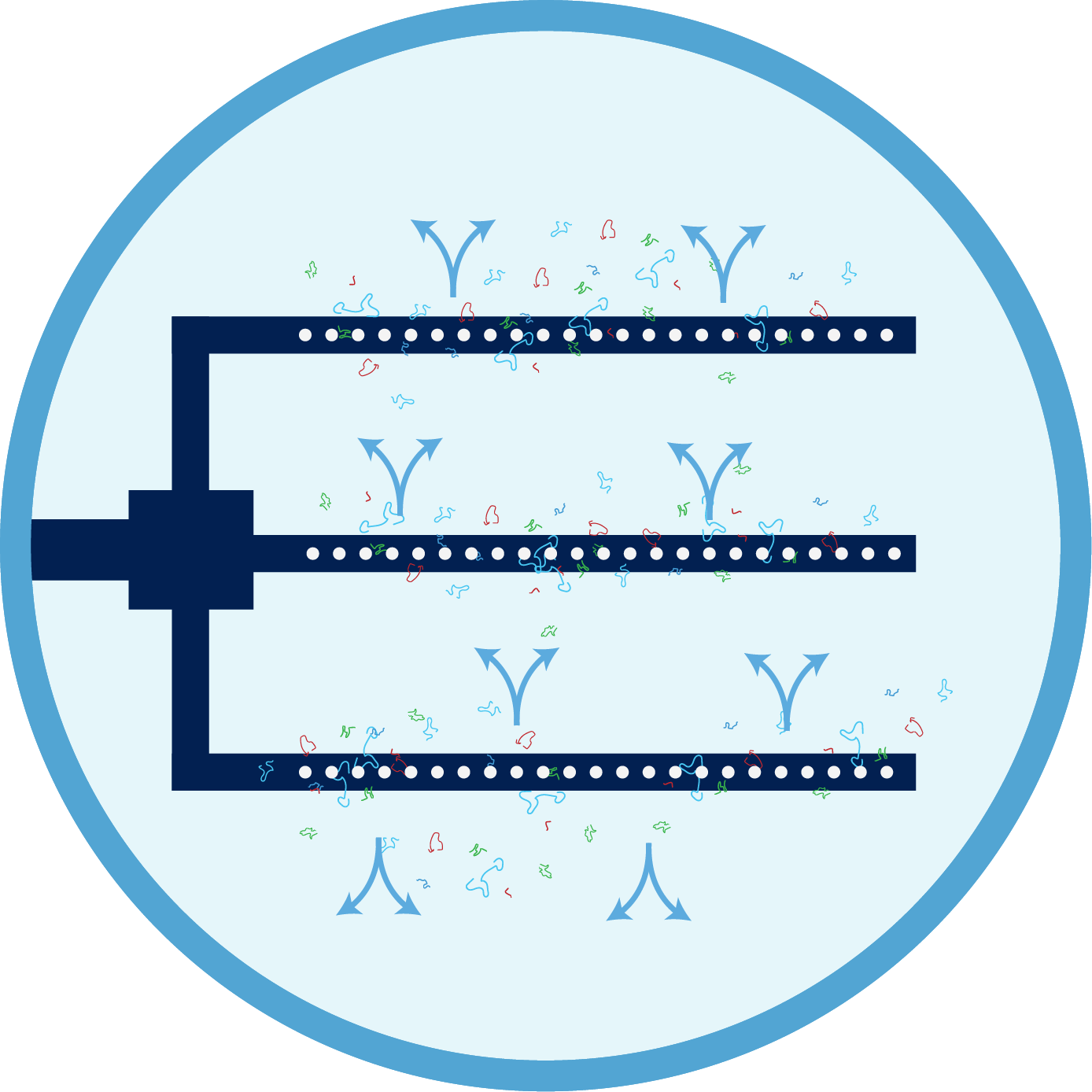
Microplastics and some lint clumps enter the drain field with the wastewater. As the water and particles flow through the drain field, lint clumps can clog the soil pores, which can cause costly repairs and sewage backup into your home. The microplastics then leach into the soil through the drain field’s soil pores.
Into Your Well Water
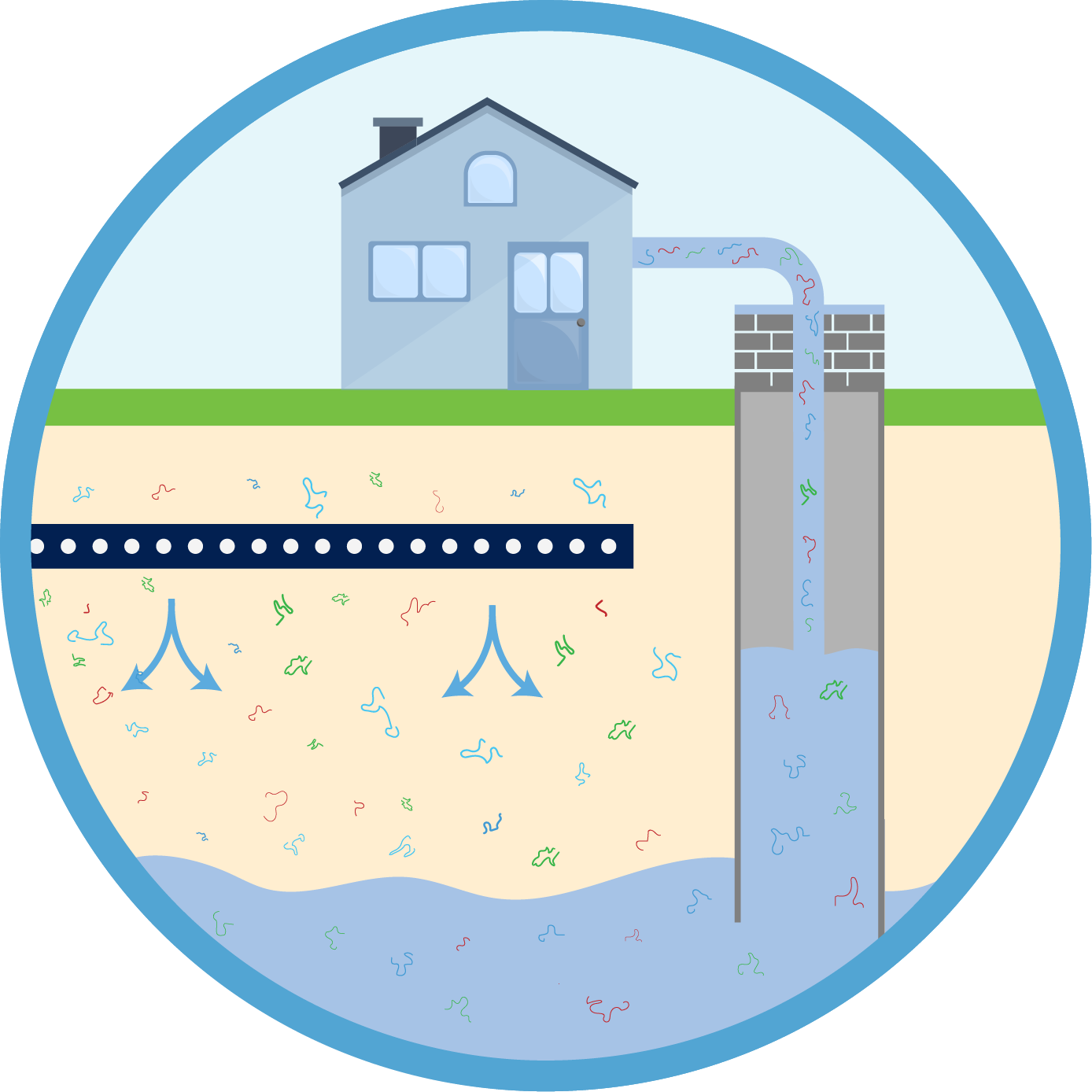
As the microplastics leach through the soil, they make their way through the ground, approaching your well water. As they descend, they can begin to break down into smaller and smaller pieces, which can be uncatchable by home water filters. Once they reach your well water, they affect water quality and can pose health risks.
Plastic Fibers From Clothing are Being Found in Well Water
“It’s alarming…What we’re finding is fibers. And plastic pipes don’t shed fibers, they shed pieces of plastic, but not fibers. Fibers are coming from clothes.”
High Health Risks and Costs… Thanks to Your Unfiltered Laundry Water
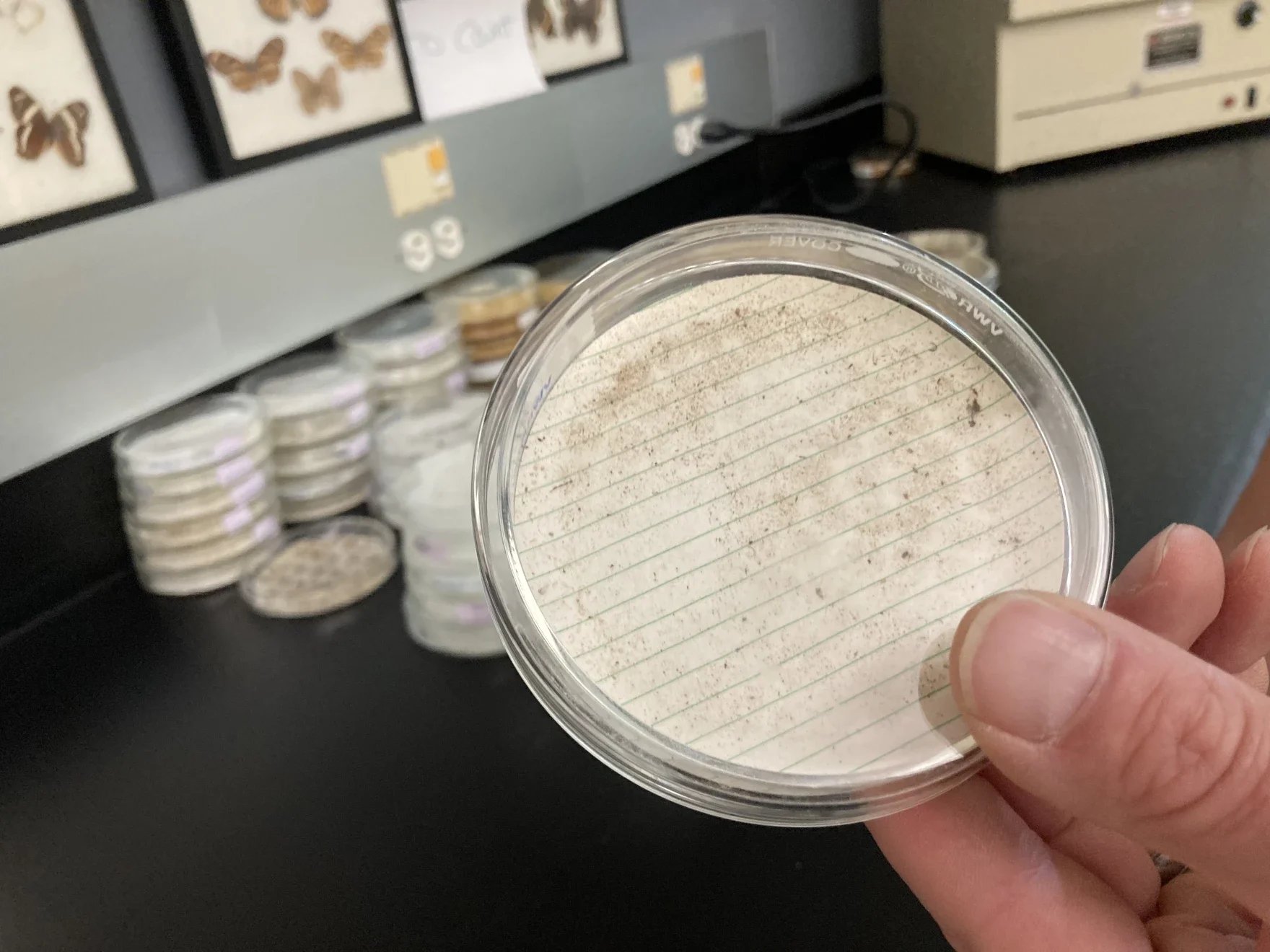
Researchers at Northwestern Michigan College found microplastics in private well water near septic systems, indicating that laundry-shed fibers can move through septic tanks and drain fields to reach groundwater used for drinking.
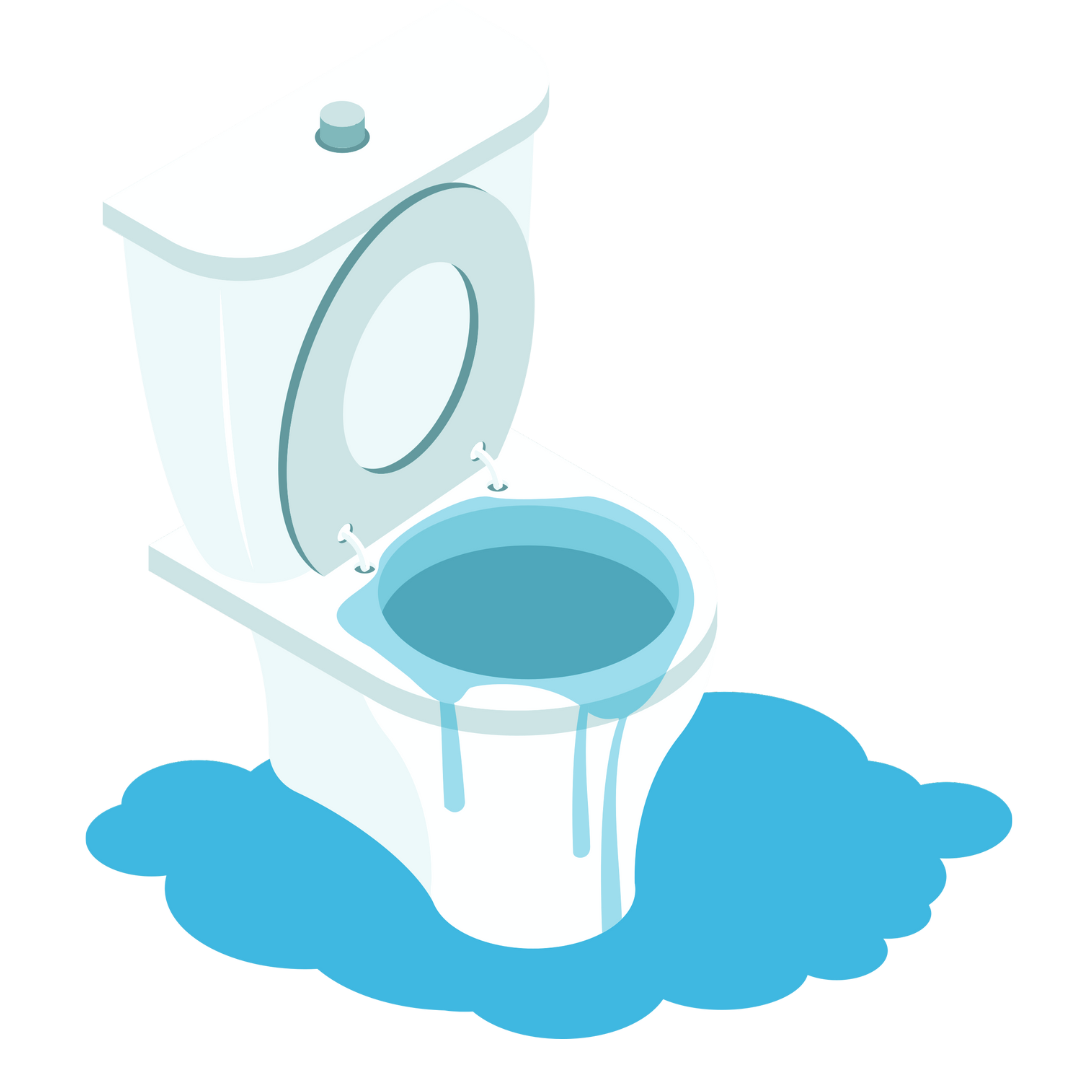
“With the reduced capacity for wastewater to flow into the soil, it is likely that the wastewater will back up into the house or emerge on top of the ground.” — North Carolina Cooperative Extension.
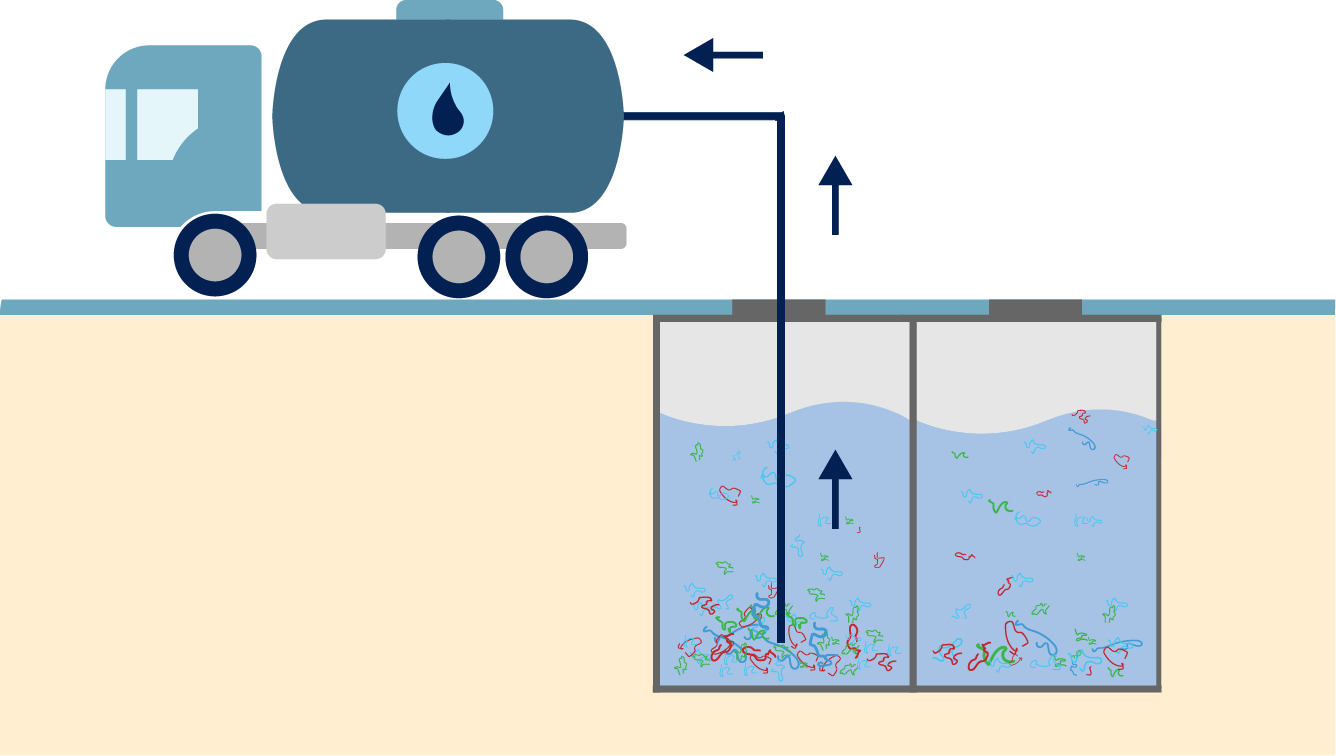
The EPA recommends septic tanks be pumped every 3–5 years, typically costing $250–$500 per visit. Lint clogs can accelerate this cycle, requiring expensive maintenance, more often.
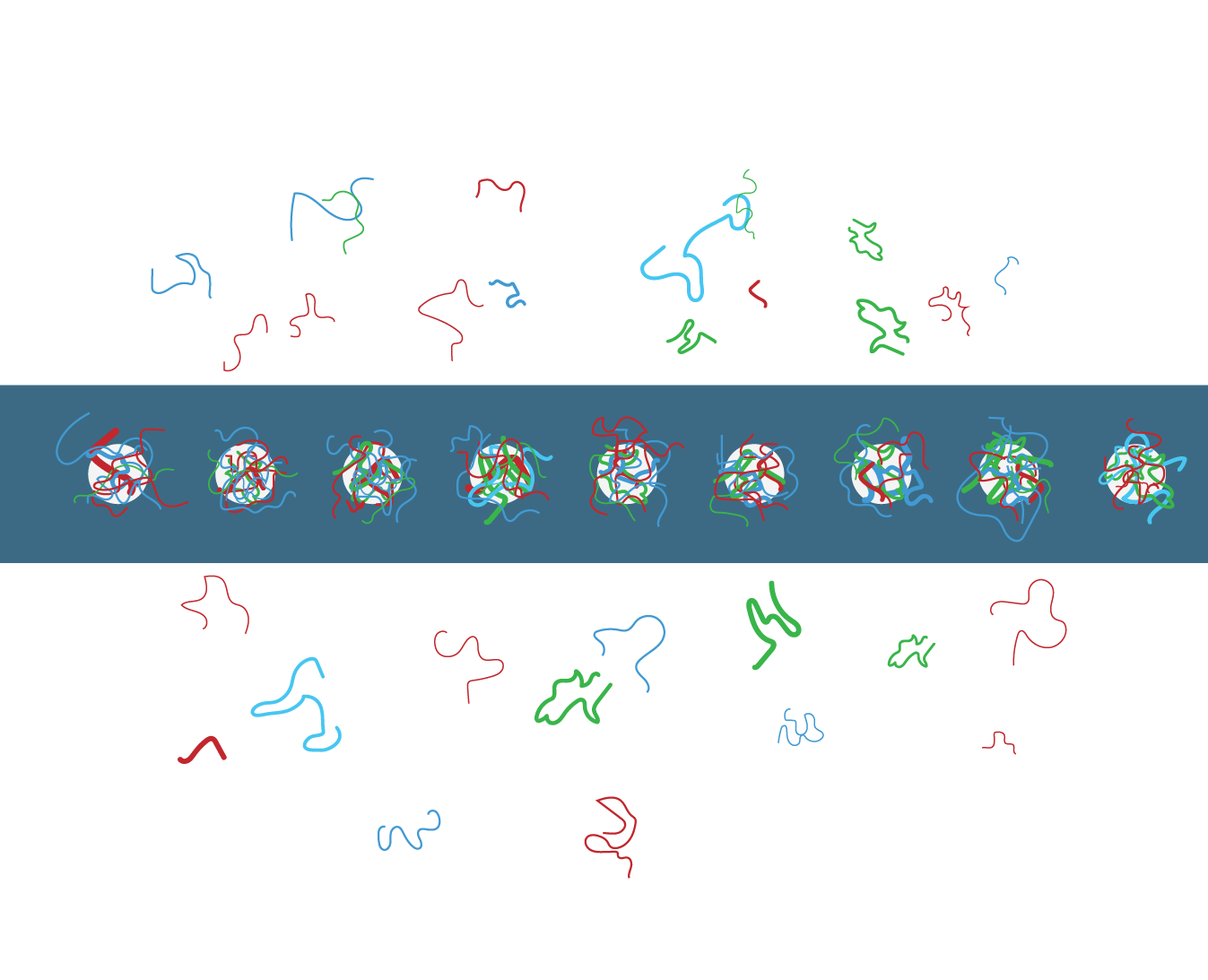
The drain field is the most expensive part of the septic system, with replacement costs ranging between $5,000-$20,000, varying by size, especially if landscaping, driveways, or large yards are disrupted.
Stop the Problem Before it Starts:
Install a Filter on Your Washing Machine
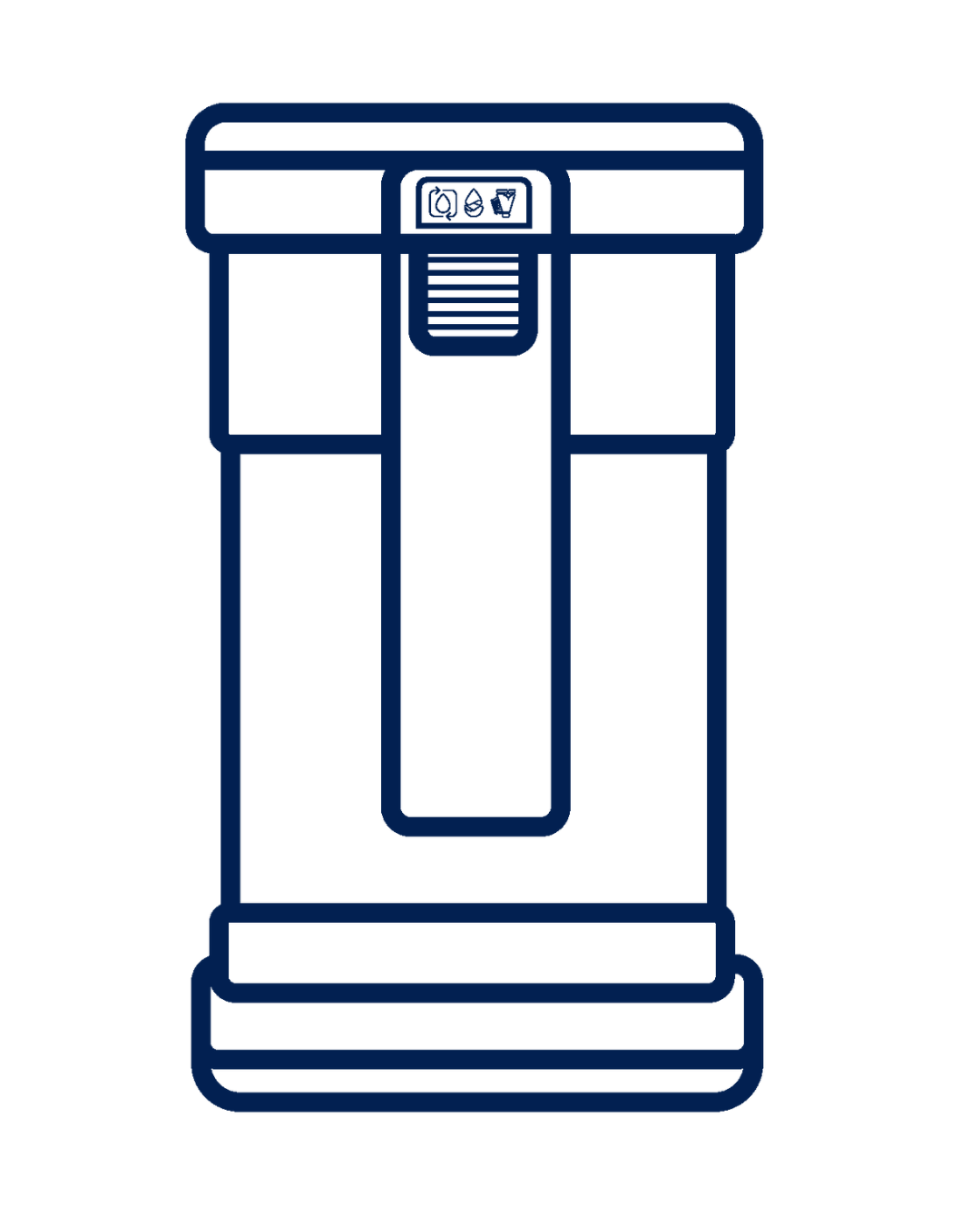
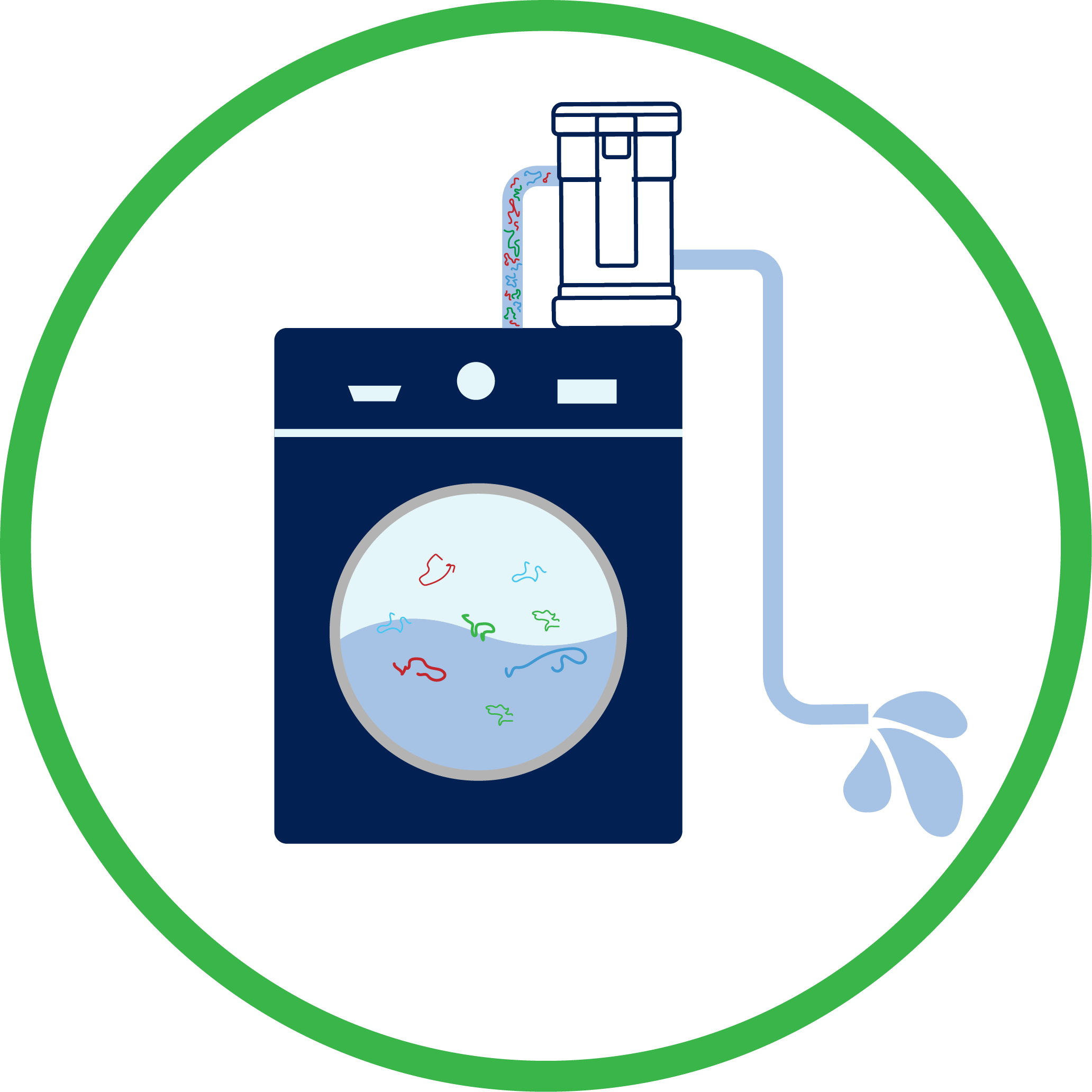
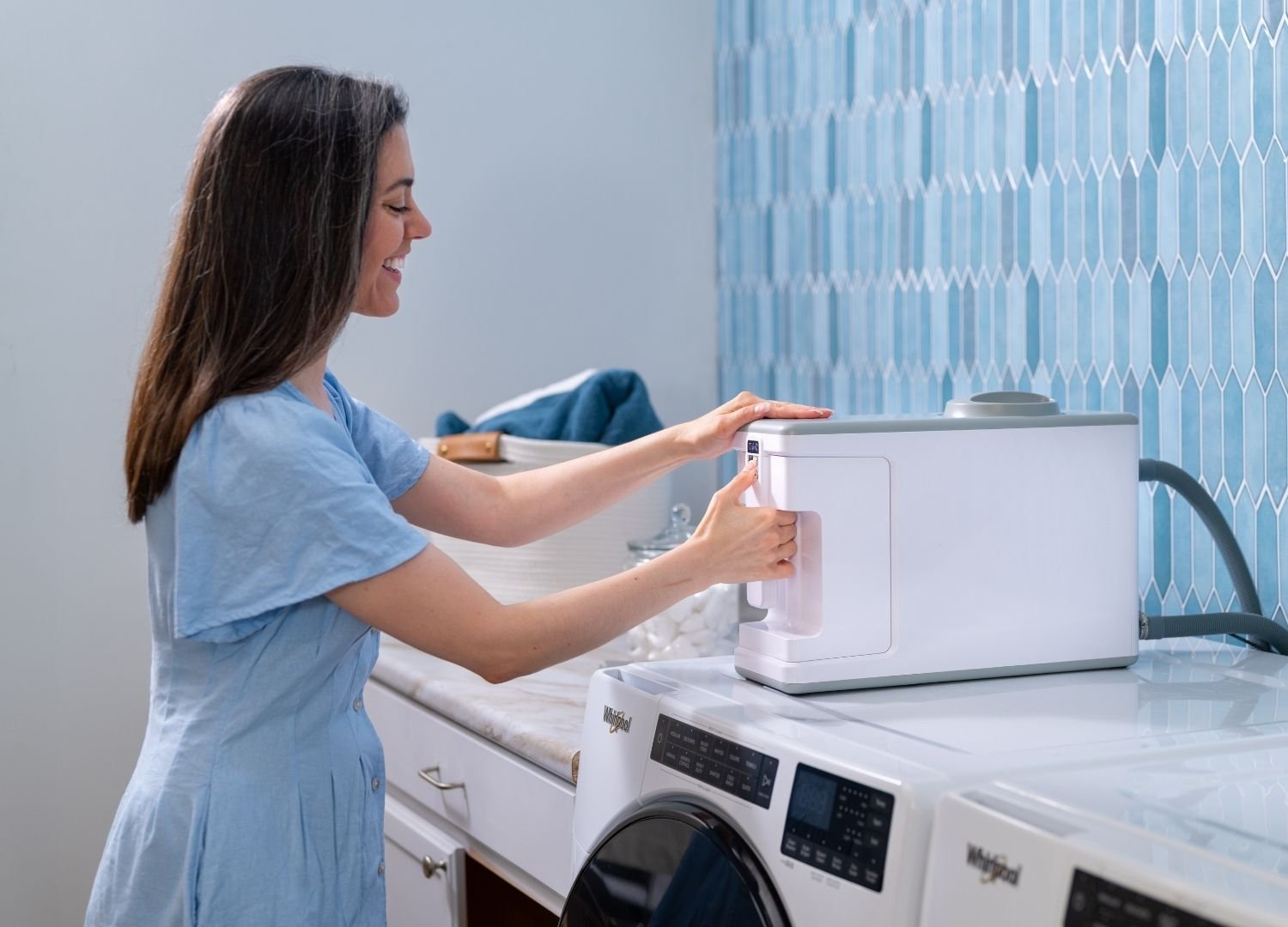
CLEANR’s microplastics filter connects to any washing machine to remove over 90% of microplastics, lint, and other particulate before they can cause problems in your septic tank and drinking water.
CLEANR’s Filter is Proven to Stop the #1 Source of Microplastics Before They Leave Your Washing Machine
Works on any washing machine make or model
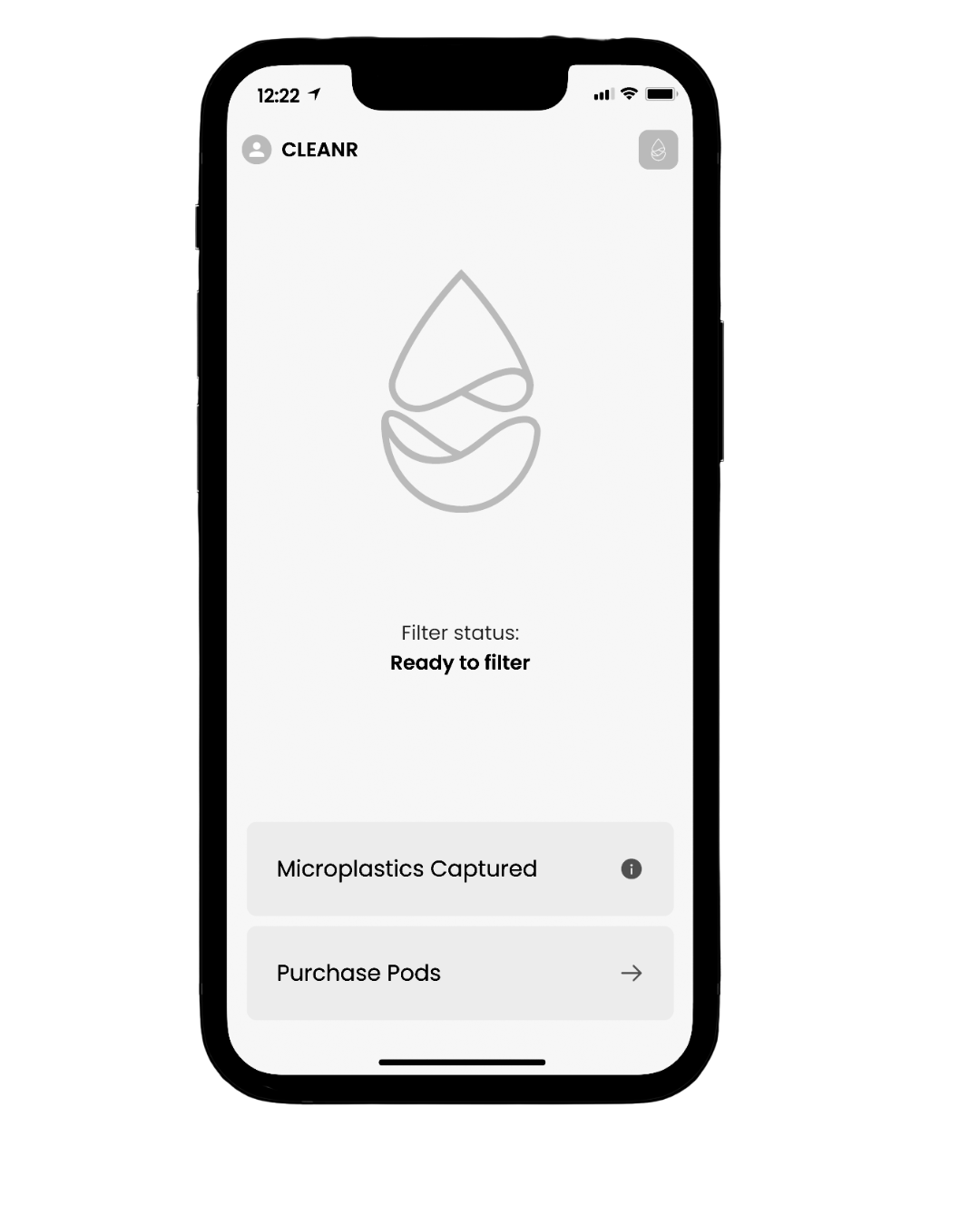
See & measure your impact
with the CLEANR App
15 minute self‑install, no tools required
Less than 30 seconds of maintenance per week
How Installing a CLEANR Filter on Your Washing Machine Helps You
Without CLEANR
Without CLEANR, the microplastics, lint, and other particulates from your laundry disrupt your septic system and leach into your well water.
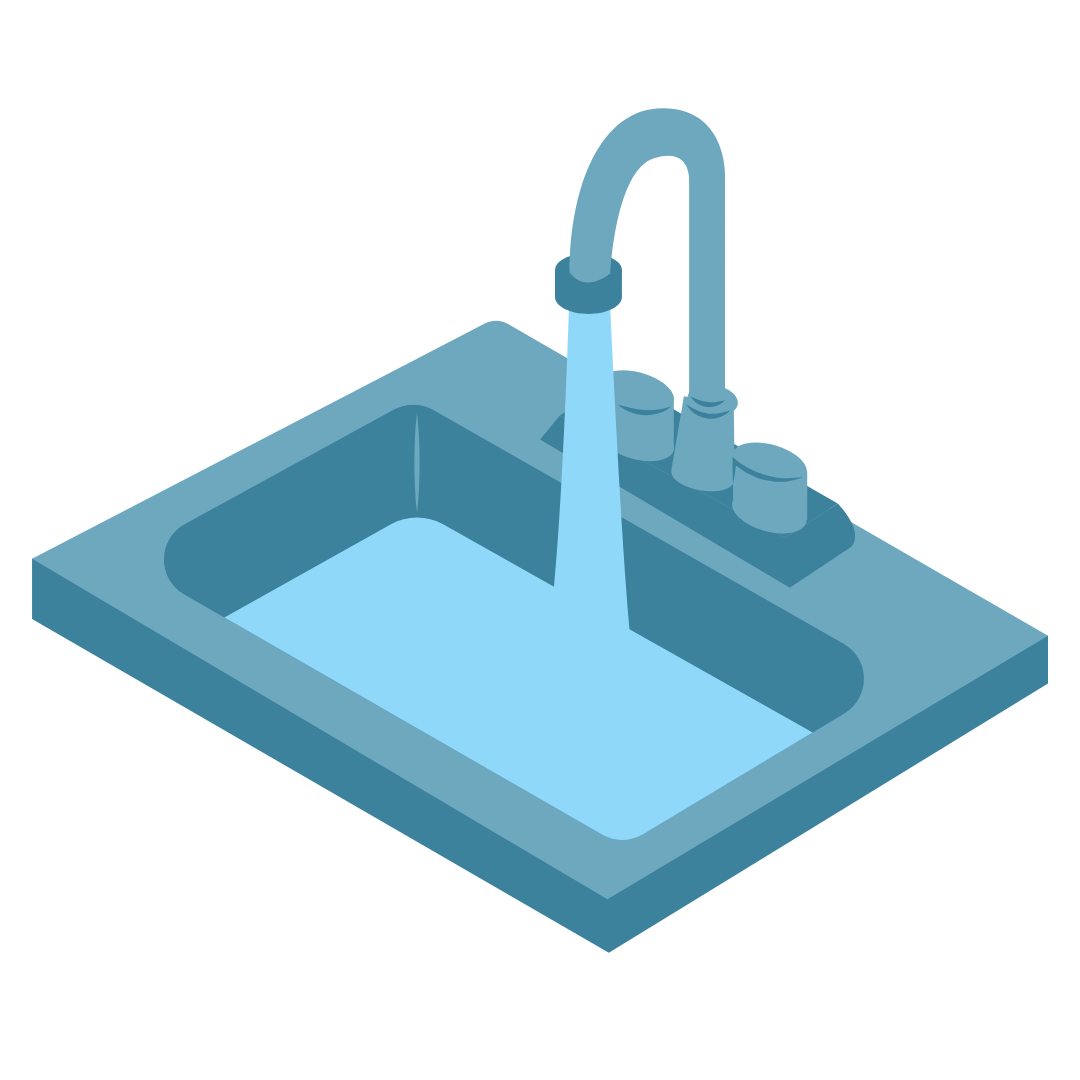
Contaminated water can reach your tap from septic pathways
Costly maintenance and unexpected repairs
Backups & odors that disrupt daily life
Environmental harm from pollutants entering soil and waterways
With CLEANR
With CLEANR, microplastics are caught before they leave your washing machine and can get near your septic tank.
Stop microplastics and other contaminants from entering your well water
Prevent costly repairs, frequent cleaning, and damage to your septic system
Sleep easier at home with reduced risk of sewage buildup and odors
“An ounce of prevention is worth a pound of cure with septic systems”
Talk to a CLEANR Team Member to See How CLEANR Can Work for You
FAQs
Do septic tanks remove microplastics?
No. Septic tanks are designed to settle out heavy solids, but microplastic fibers from laundry are lightweight and stay suspended. They often pass into the drain field, where soil microbes can’t get rid of them. Over time, they break down smaller and smaller until they reach the well water.
Can microplastics reach my well water?
Yes. Effluent from septic systems flows into surrounding soil and eventually into groundwater. Since most private wells draw from the same aquifer, tiny fibers can travel through soil pores, breaking down even smaller and ending up in drinking water, carrying chemicals and bacteria with them.
What’s the simplest way to reduce microplastics from my home?
Install a washing machine microfiber filter. It captures the majority of fibers, lint, and other particulates before they leave your home and enter your septic system. Pair this with simple laundry habits (wash full loads, use cold water, and choose liquid detergent) for a big reduction in fiber release.
Will a laundry filter affect my septic system?
Yes, in a positive way. A quality filter can reduce the frequency of maintenance needed and prevent microplastics from entering the soil. By trapping fibers, lint, and other particulates before they reach the tank, you reduce buildup that stresses the drain field.
What happens if microplastics clog my septic’s soil pores?
When fibers accumulate in the drain field soil, they can block natural filtering pores. This prevents effluent from absorbing properly, leading to odors, soggy patches, or even backups inside the home. Left unchecked, it can shorten your drain field’s life and require a $5k–$20k replacement.
Why should I filter before the septic system instead of at the tap?
Because the washer is the source. Catching fibers before they enter your septic prevents them from breaking into even smaller particles that slip through soil, reach groundwater, and are often too small for tap filters to remove, while also reducing clogs, odors, and pump-outs. Tap filters are great as a last line of defense for what you drink, but they don’t protect your septic or the environment.
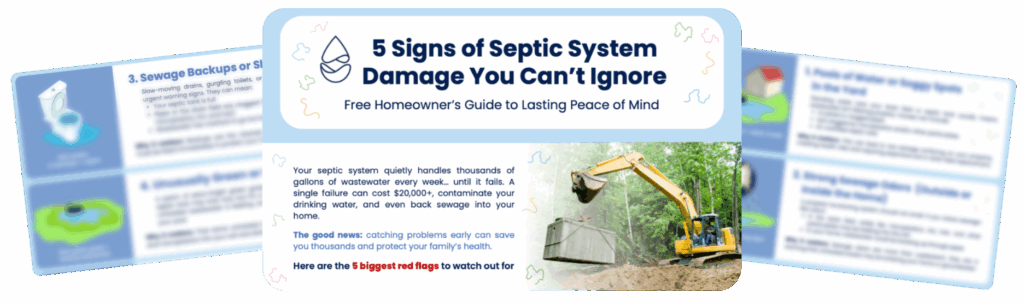
Learn More With Our Free Septic Protection Guide
Protect Your Septic, Your Water, and Your Health
Read More About Microplastics In Your Septic Tank
Microplastics Are Clogging Septic Systems and Draining Wallets
There’s one thing your tank was never built to handle… microplastics. Here’s why septic tanks cannot handle plastic and what you can do about it.