Would you eat your clothes?

You already are.

“Microplastics are present within the entire human food system. All 16 protein products included in our study were found to be contaminated with microplastics.”( Environmental Pollution, 2024 )

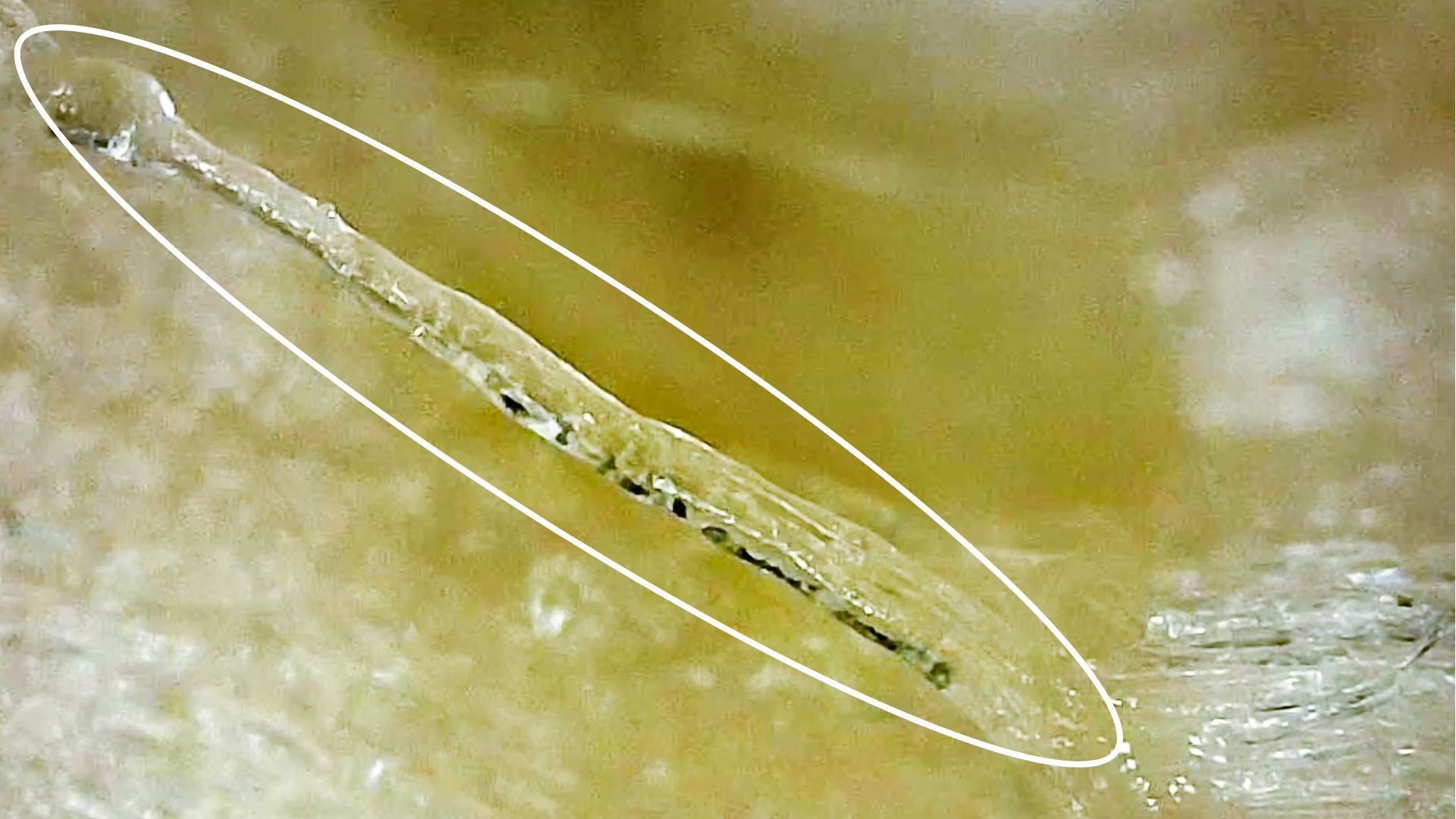
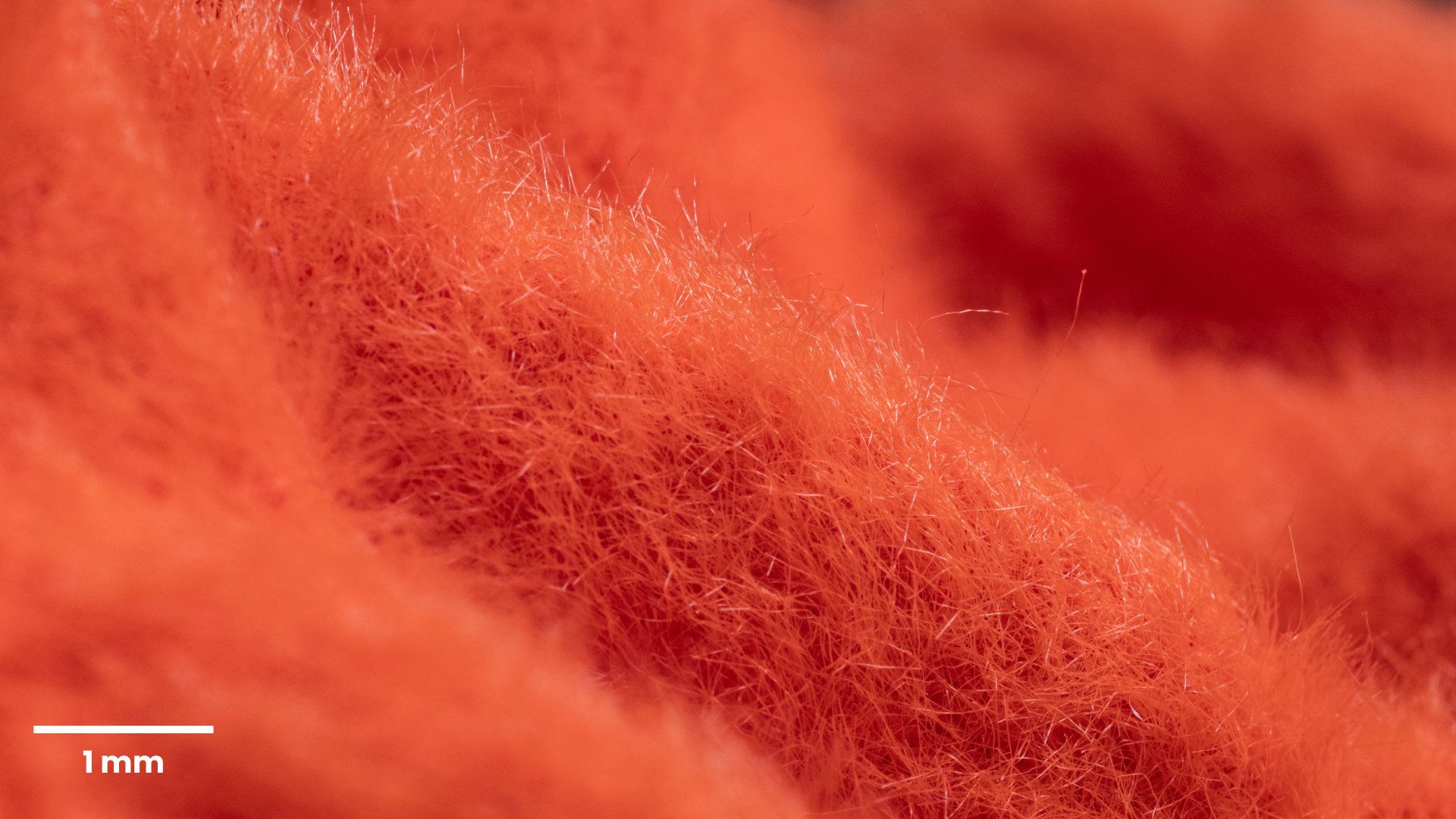
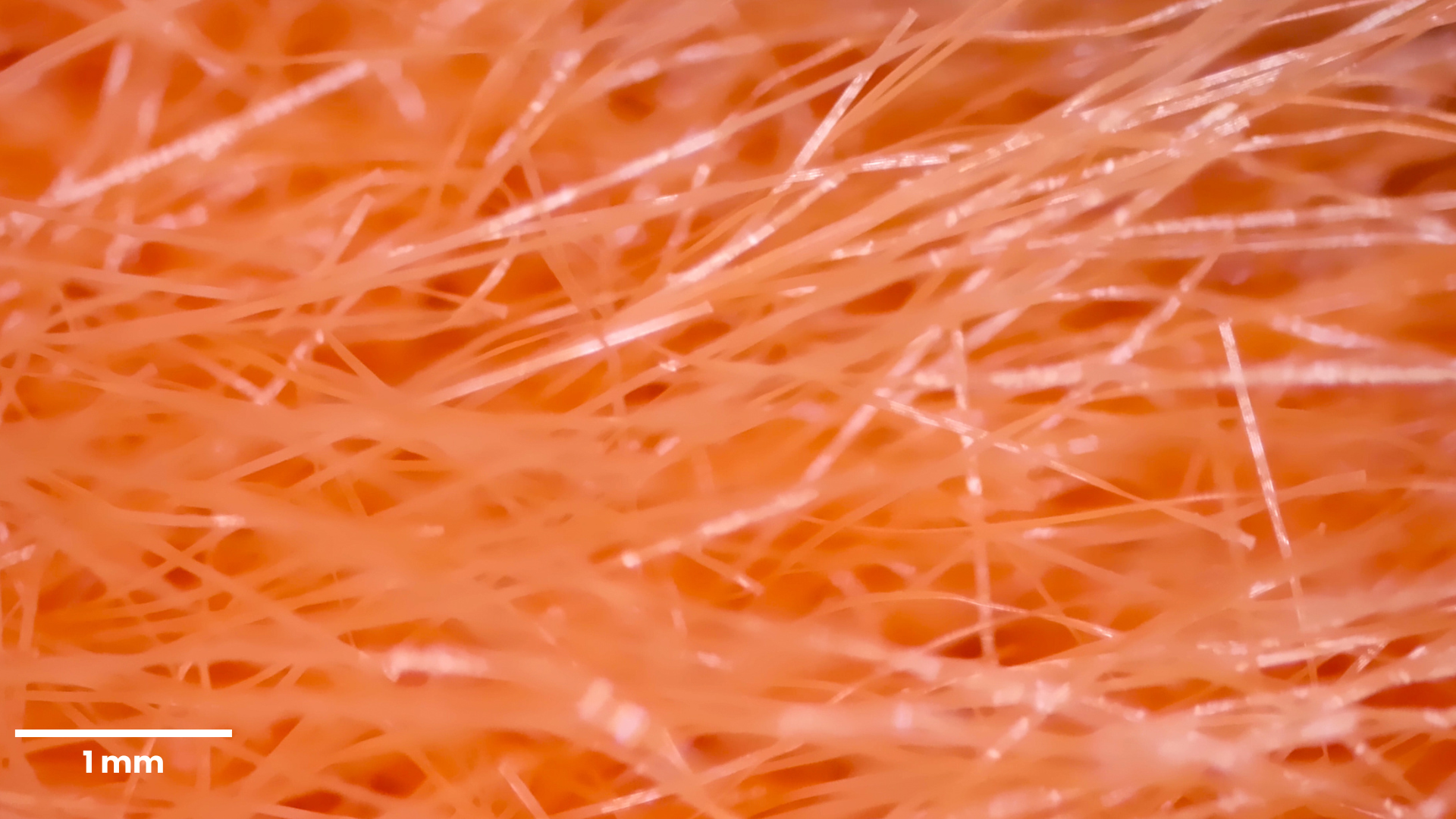
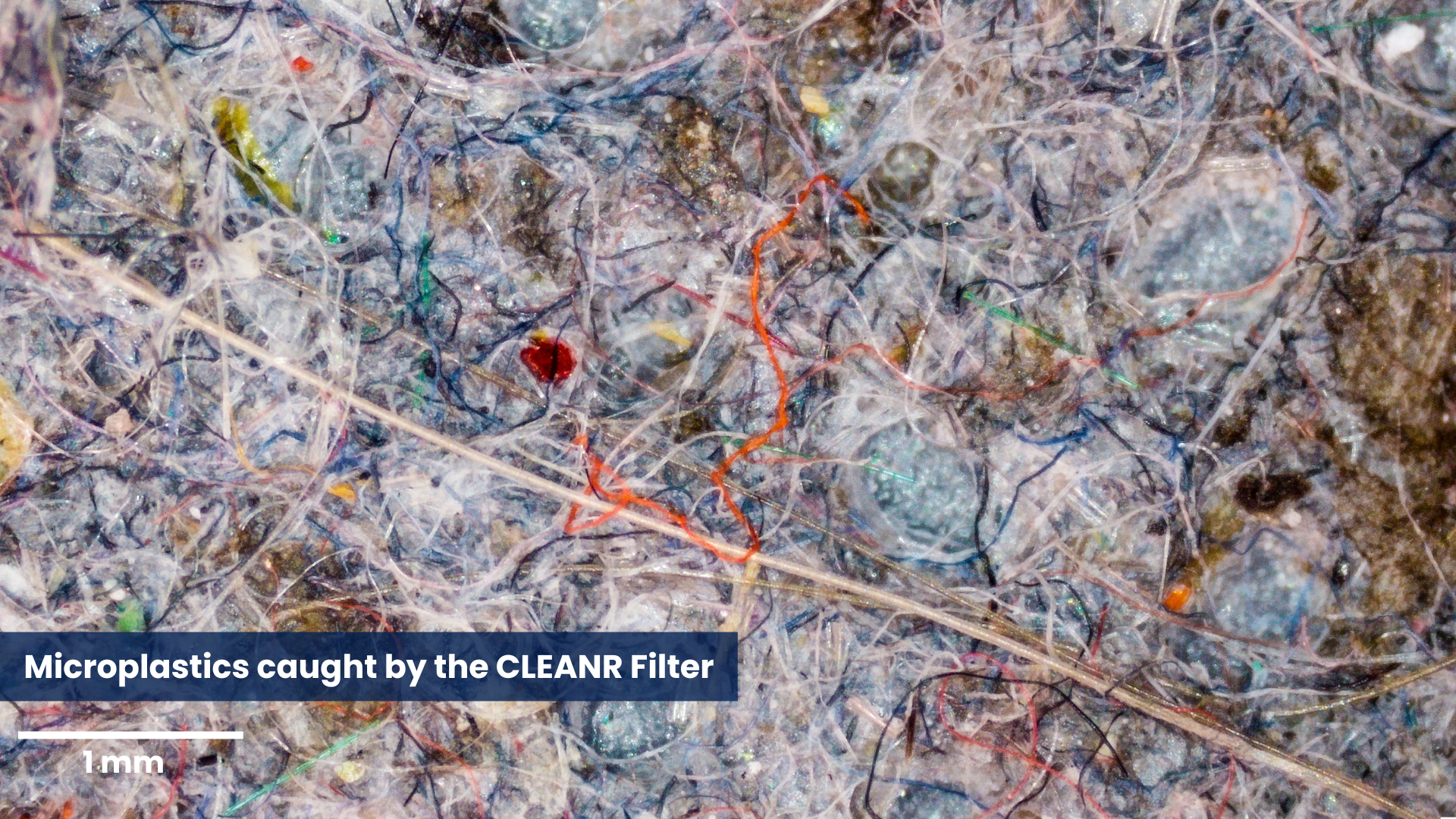
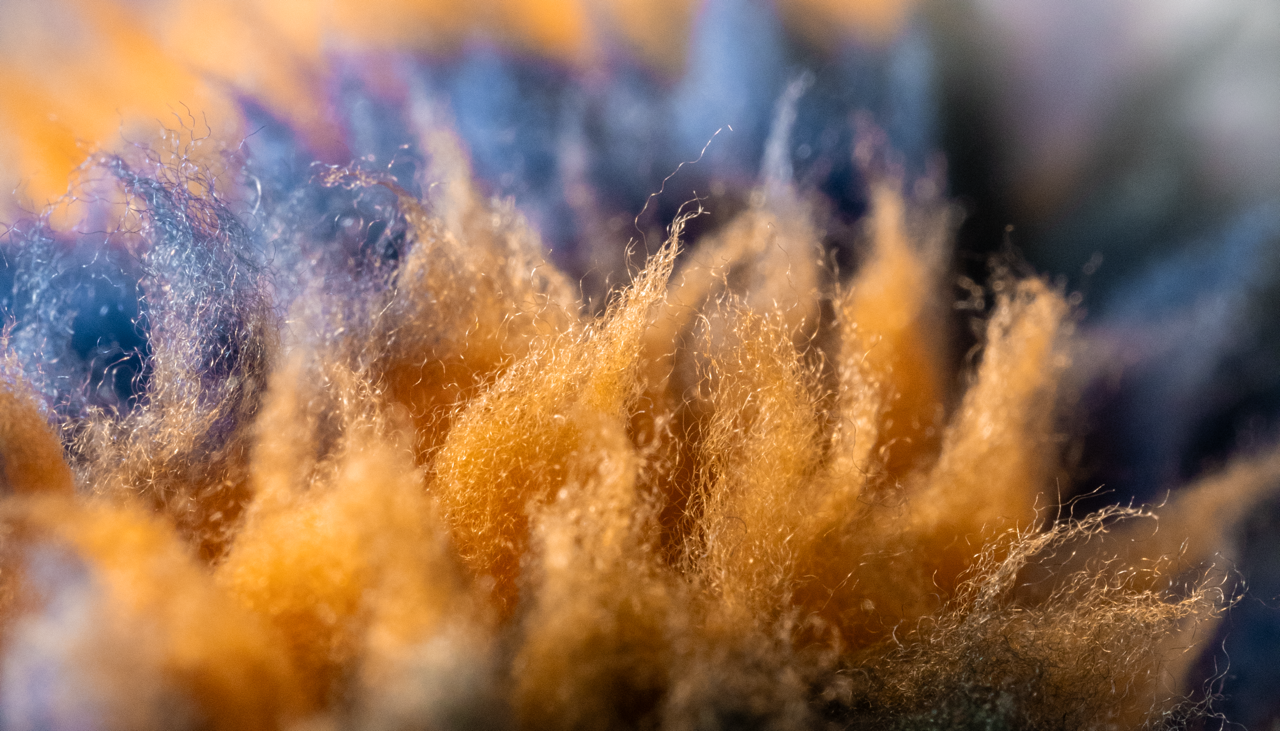
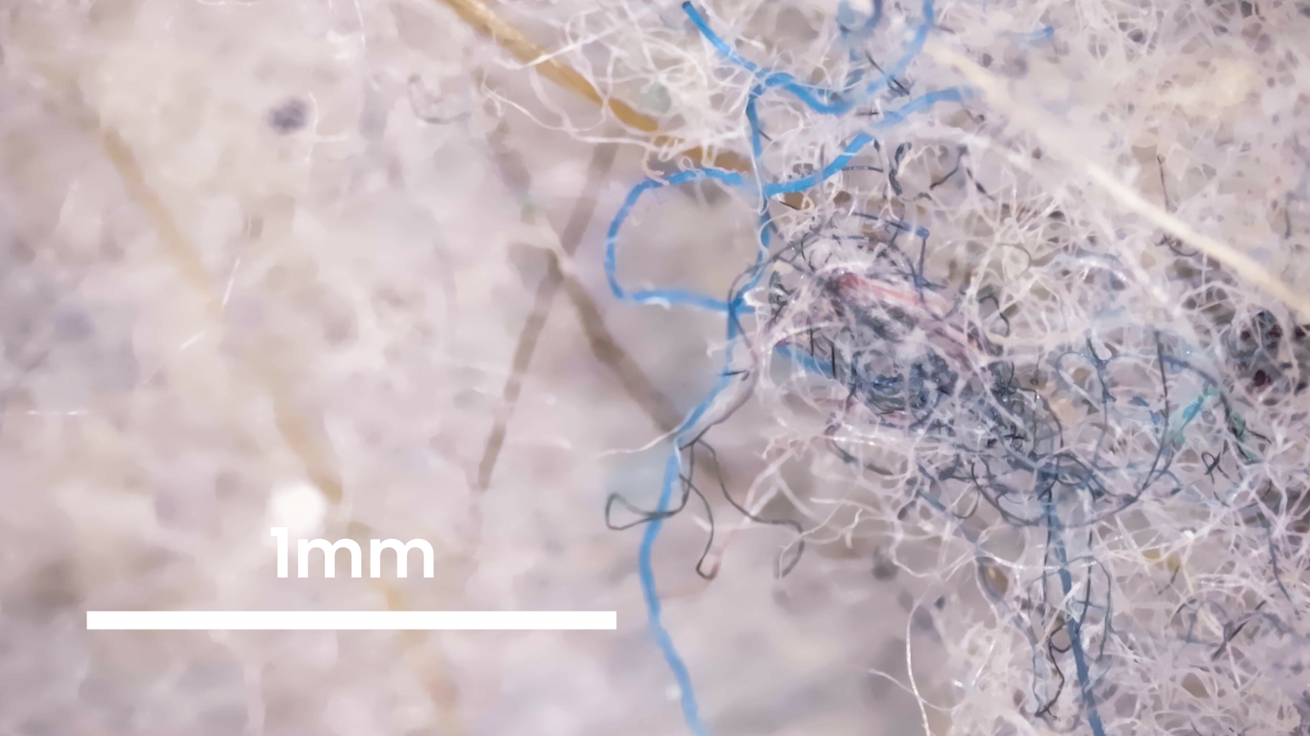
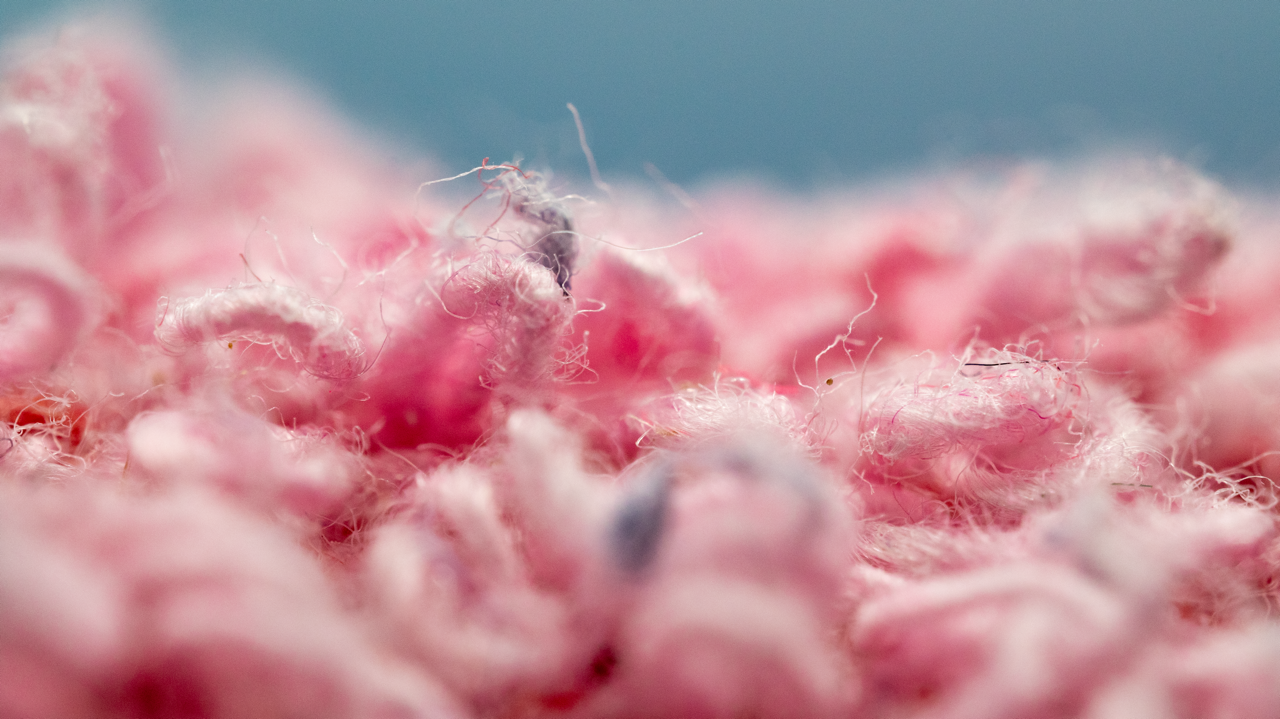
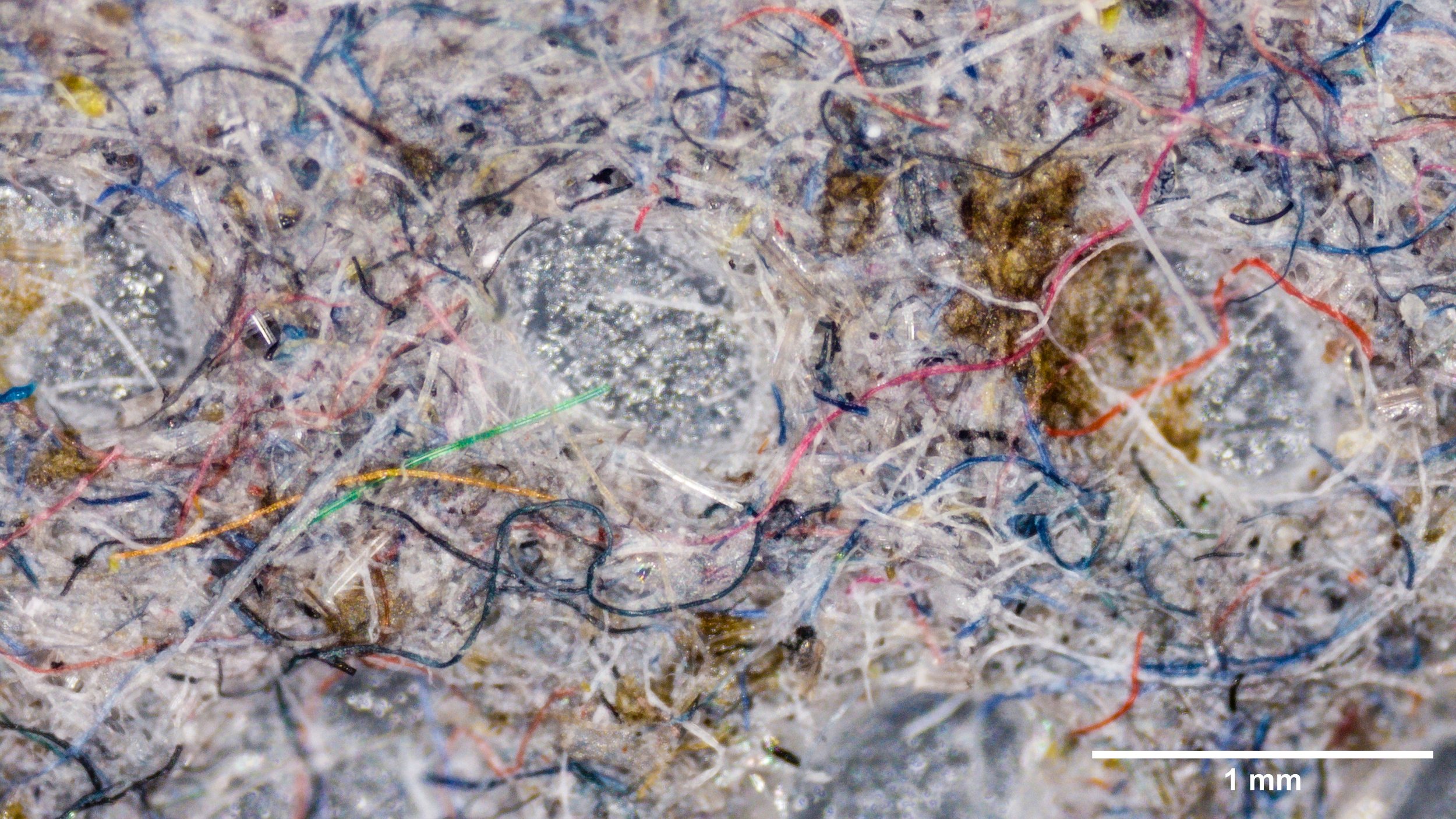
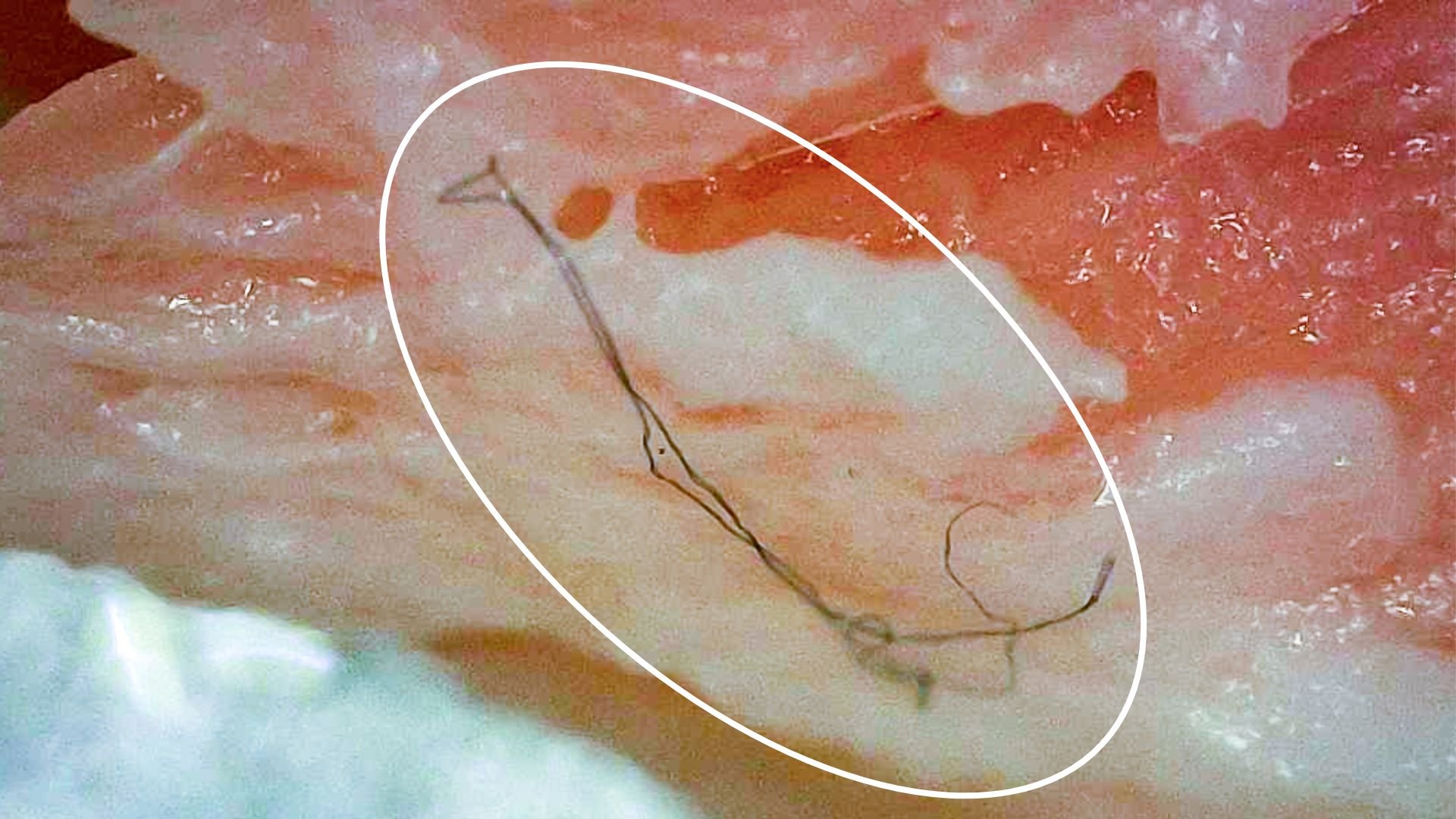
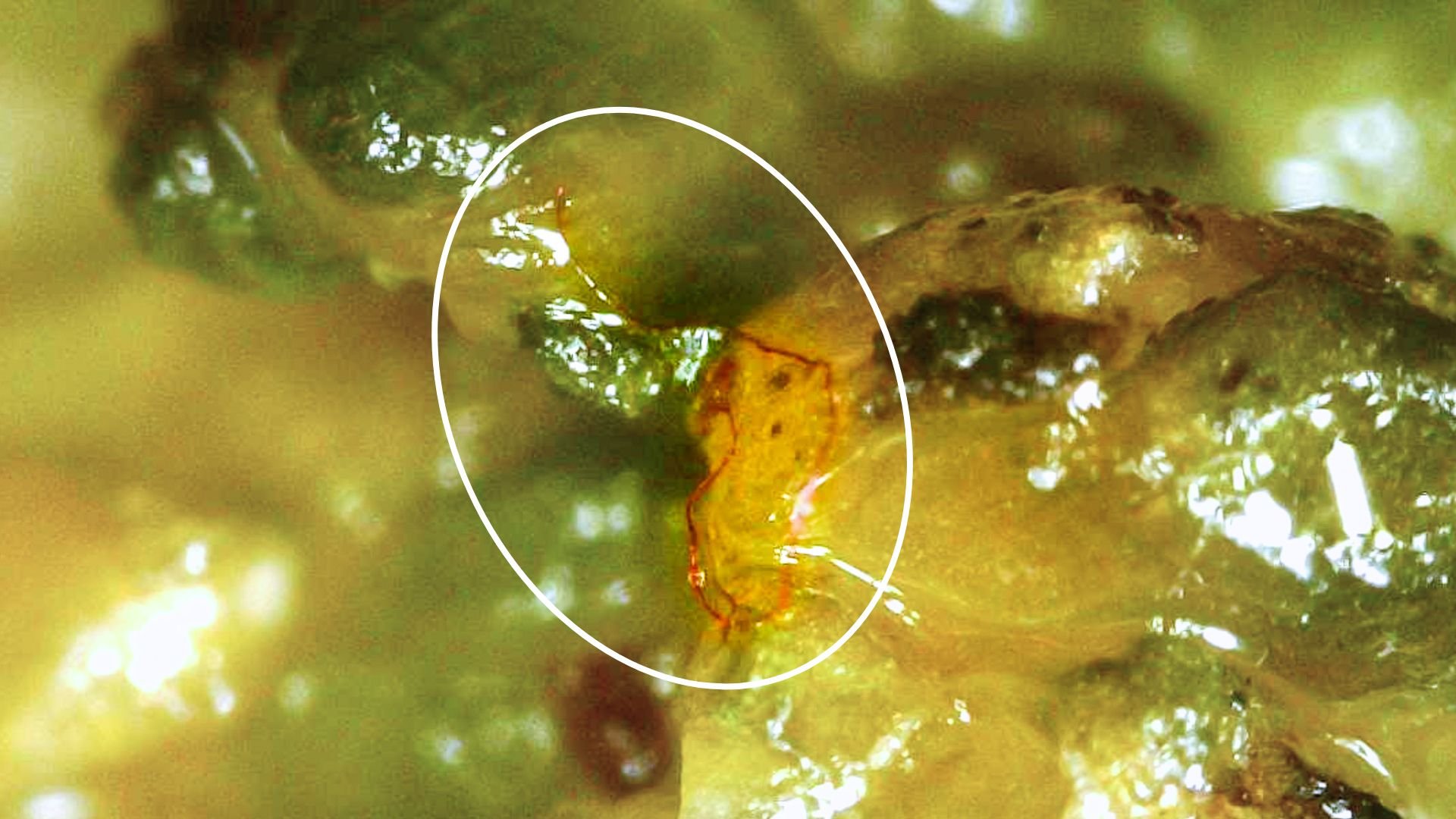
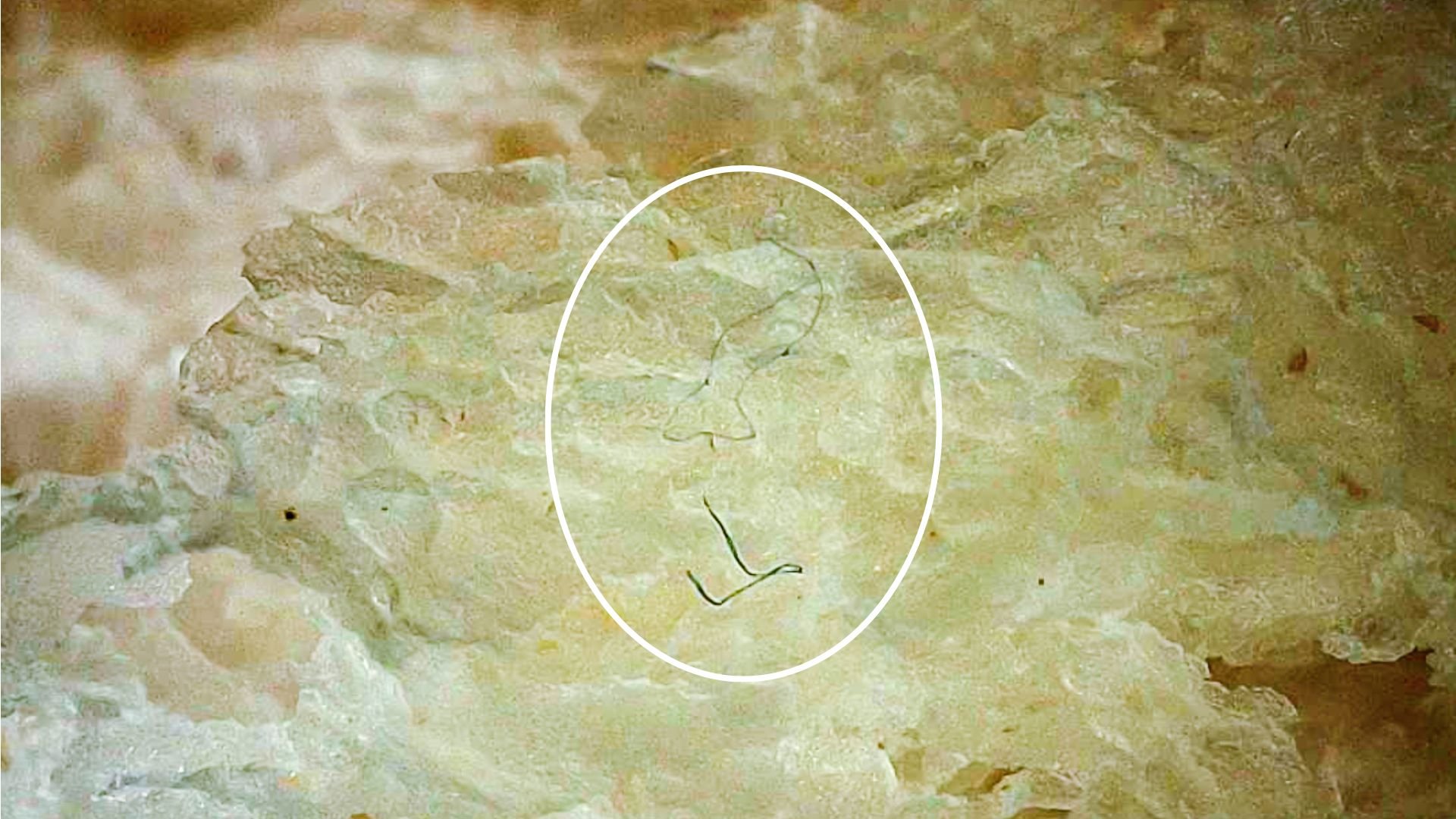
So we decided to take a look for ourselves. Here’s what we found:

Where Do They Come From?

Laundry is the #1 source of microplastic pollution globally.

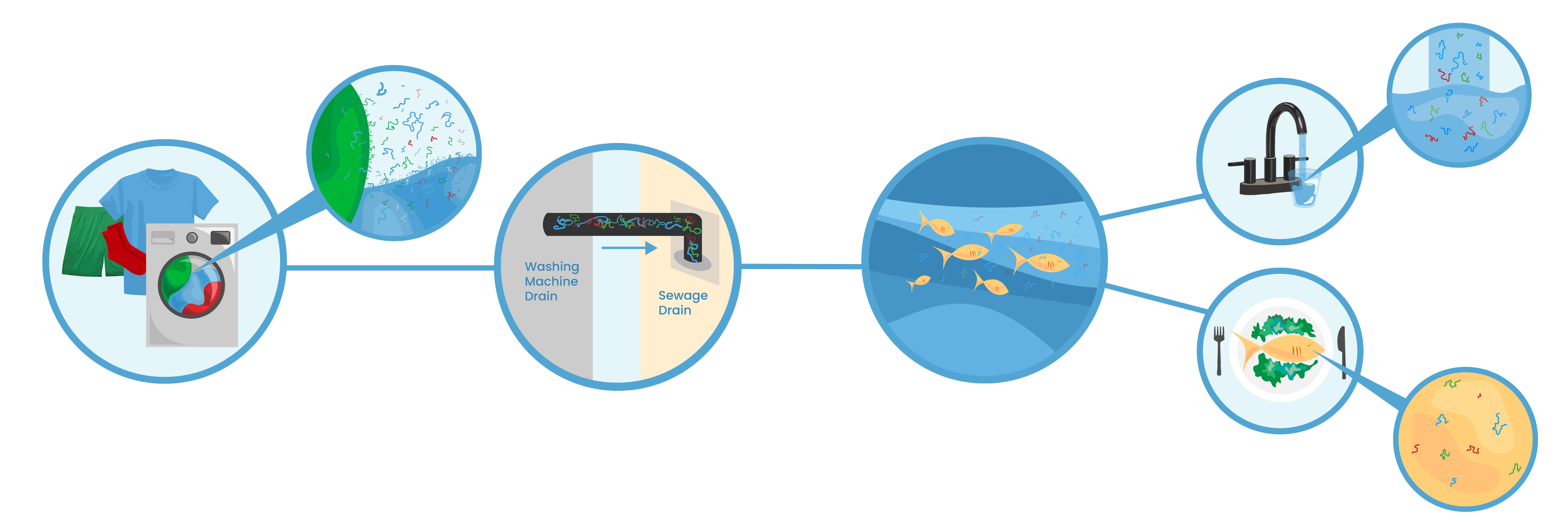
Every time we run a load of laundry, the wash cycle creates tiny abrasions in your clothes, causing millions of plastic microfibers to shed. These fibers leave the washing machine, go down the drain, and slip past wastewater treatment plants to end up in our water, food, and bodies.

How Do They End Up In the Water?

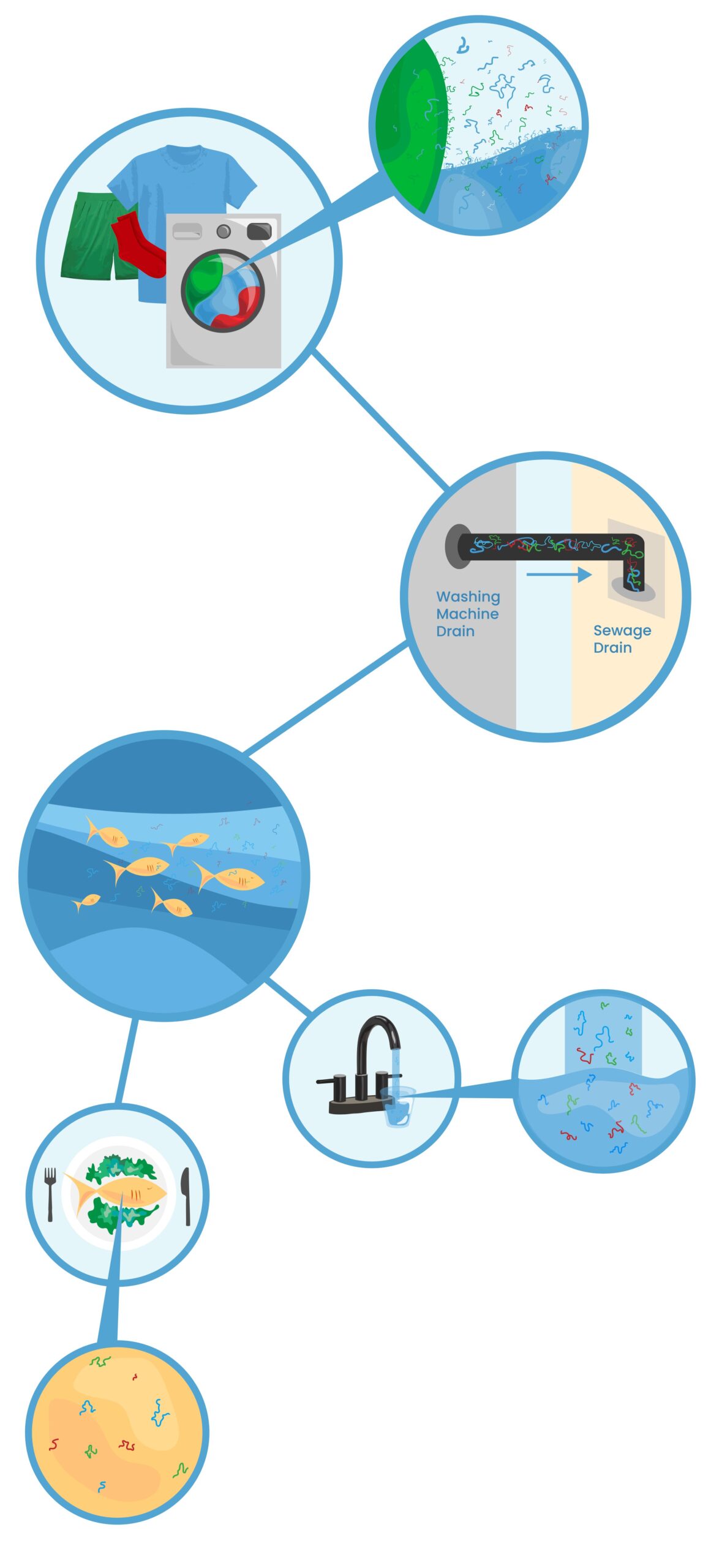
The washing cycle causes tiny abrasions in the clothes, causing millions of microplastics to break off from the fabric.

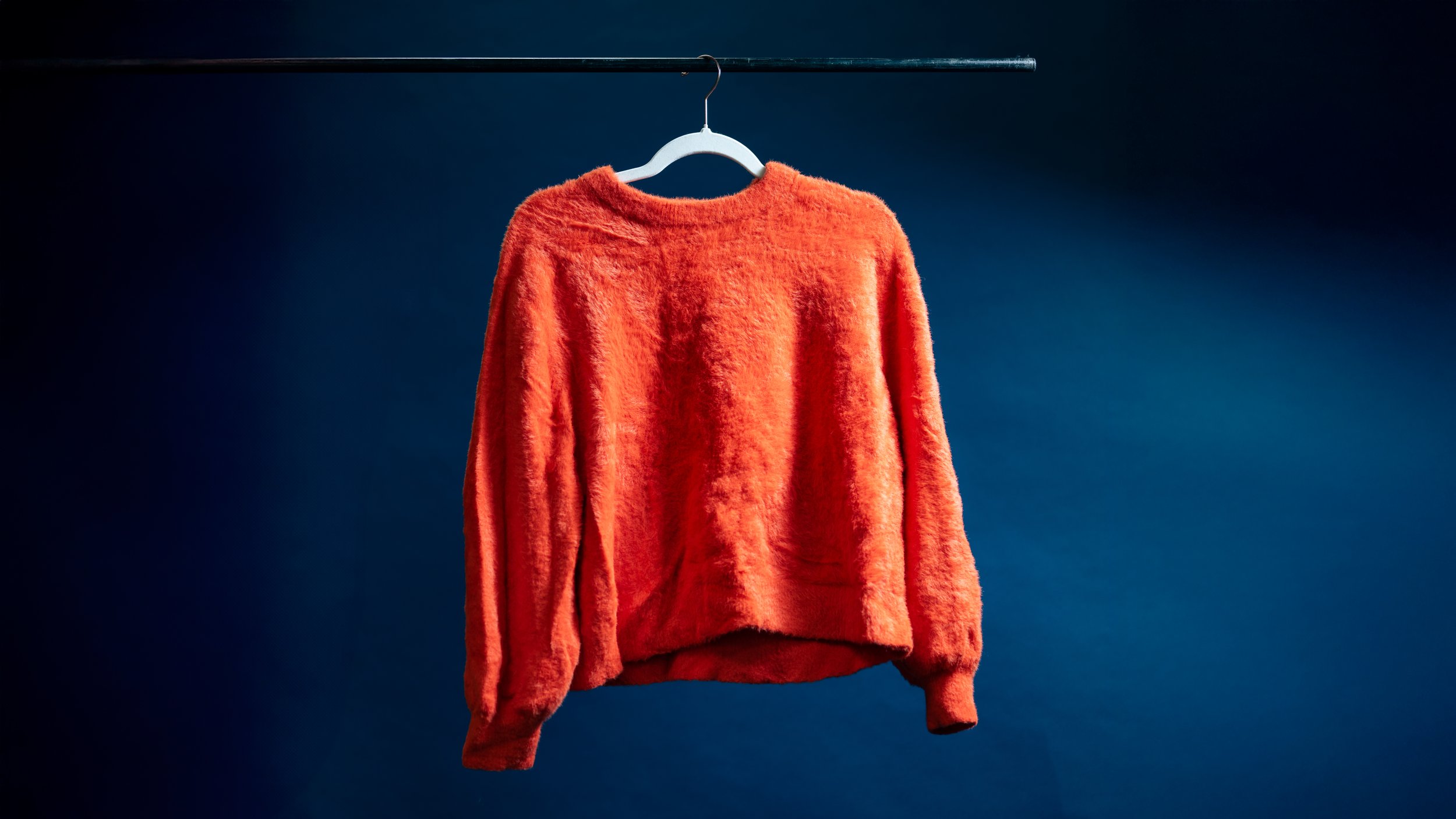
Clothes in the Washing Machine

Over 60% of today's clothes are made of plastic, synthetic fibers that shed into the water. Even cotton fibers can be coated in synthetic additives and toxic dyes.

Shed Microplastics as They are Spun

These particles exit through the washing machine drain, slipping past water treatment plants and entering the environment. Even the ones that are caught are used for fertilizer on our farmlands.

Which Get Sent Down the Drain

The microplastics then spread throughout the water, breaking down into nanoplastics.

Polluting Our Water

The microplastics and nanoplastics in the water end up back in our food, water, and bodies.

Ending Up in Our Food, Drinks, and Eventually Our Bodies

Every time you wash your clothes, millions of microplastics shed into the water, spreading through our environment, entering our food and eventually our bodies.

Do I Have Microplastics in Me?

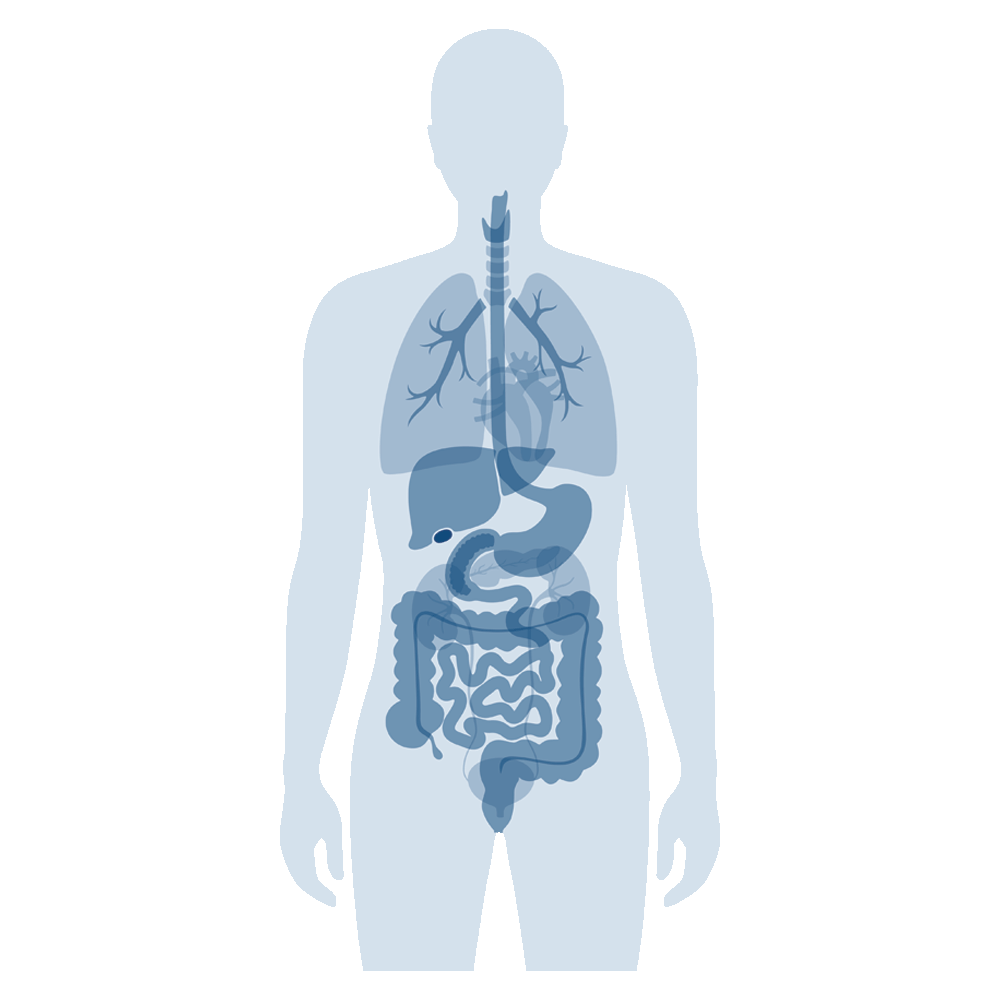
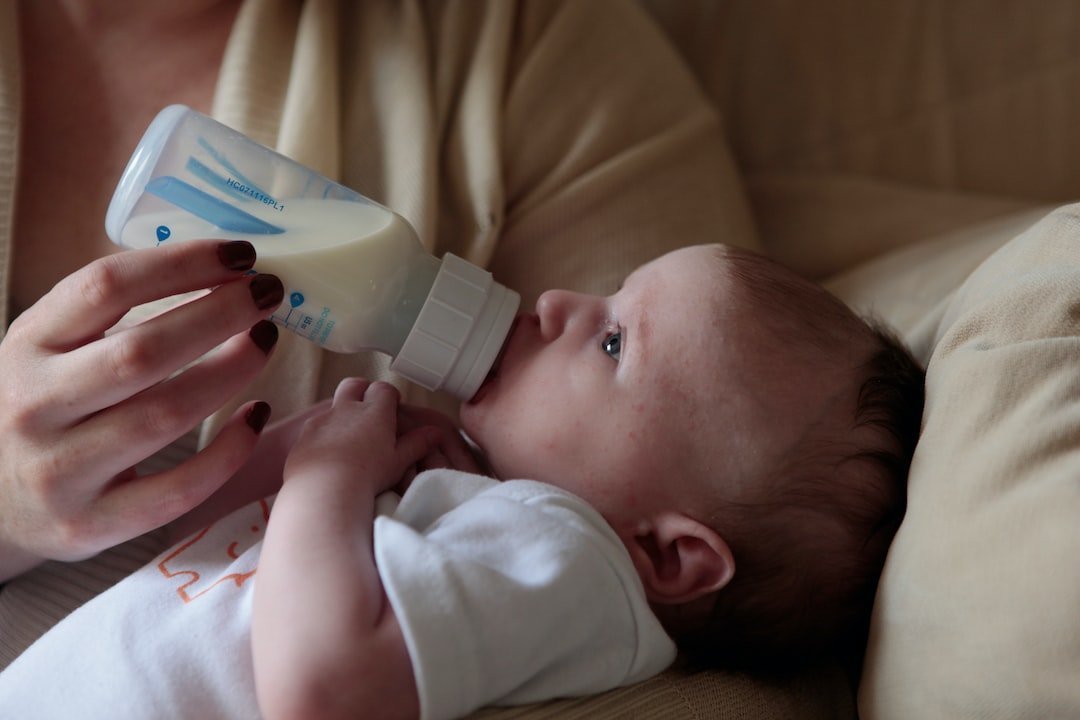
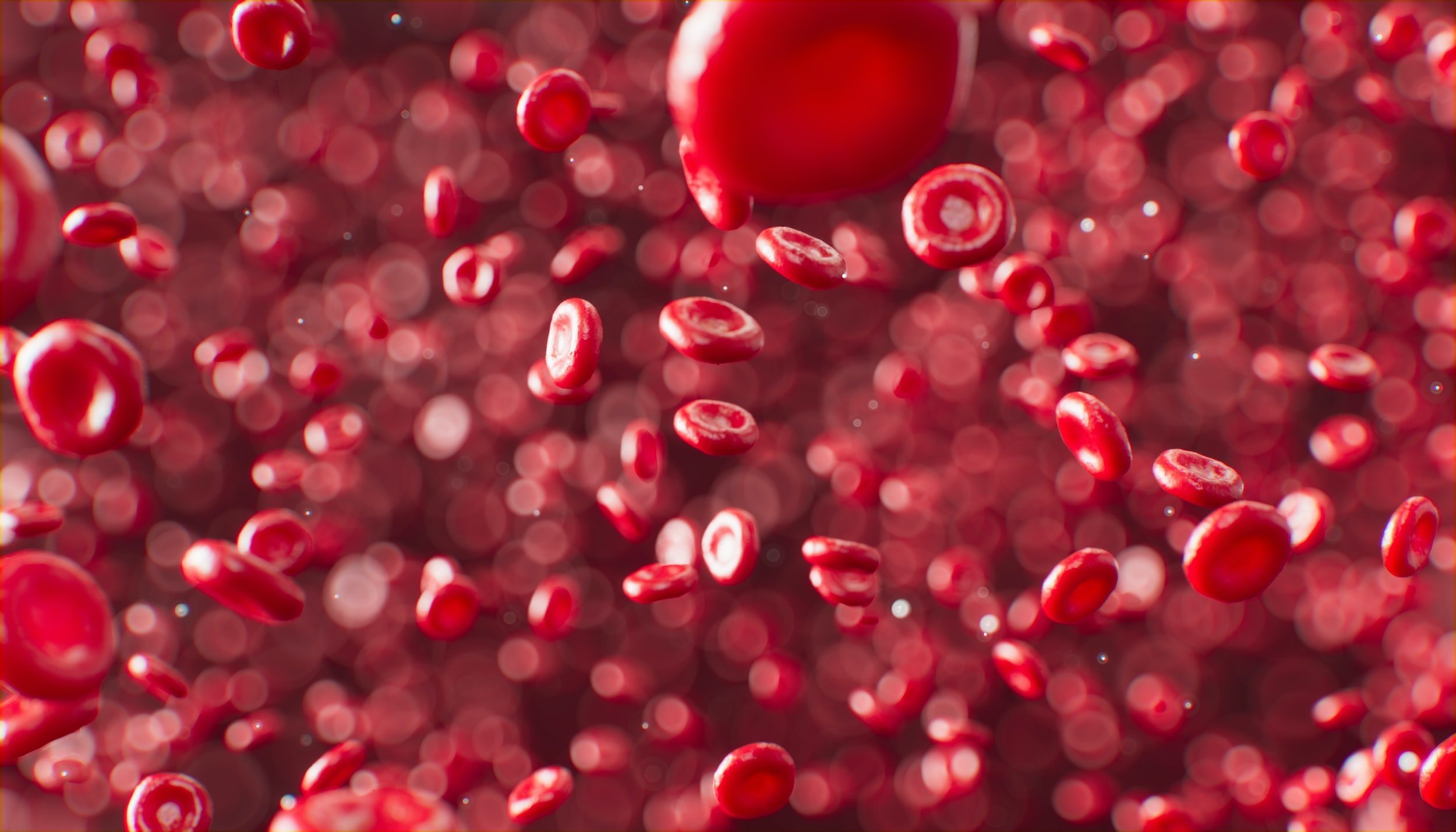
Microplastics have been found in the human blood, brain, placenta, breast milk, and more. The average human brain may contain a plastic spoon’s worth of microplastics.

What are the Health Effects of Microplastics?

Microplastics have been linked to cancer, heart attacks, neurological disorders, inflammation, and more. They can pass the blood-brain barrier and carry toxic additives into your body.

See Other Microplastic Insights

What can we do about it?

Stop Microplastic Pollution at the Source

Meet CLEANR For Washing machines. CLEANR is an easy-to-install filter that connects to your washing machine and captures over 90% of microplastics before they pollute our waterways. Protect our environment, your body, and everyone’s future.

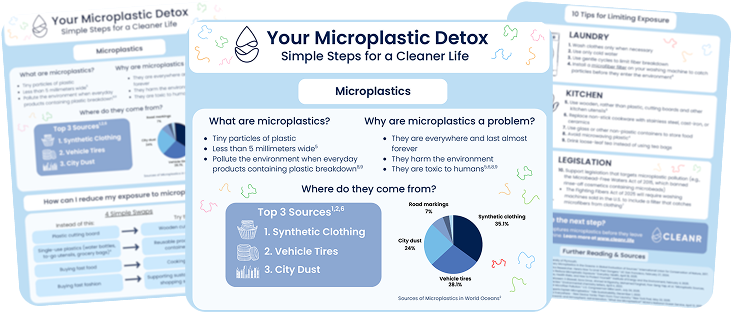
Download Your Free Microplastic Detox Guide

Discover hidden sources in your laundry room, kitchen, and beyond. Learn ways to reduce your exposure.

By signing up, you are subscribing to communications from CLEANR, and you agree to our Privacy Policy.

One step closer to a microplastic free lifestyle