




CLEANR Stops Microplastic Pollution Before it Starts
With CLEANR, every load of laundry becomes an act of protection, keeping microplastics out of our water, our environment, and our future.
Microplastics Have Reached Every Corner of the Planet
In the World’s Oceans
Microplastics were found in every sample taken during the Ocean Race.
In the Ocean’s Deepest Point
Microplastics have been found at the bottom of the Mariana Trench.
On the Earth’s Highest Point
Microplastics have been found at the top of Mount Everest.
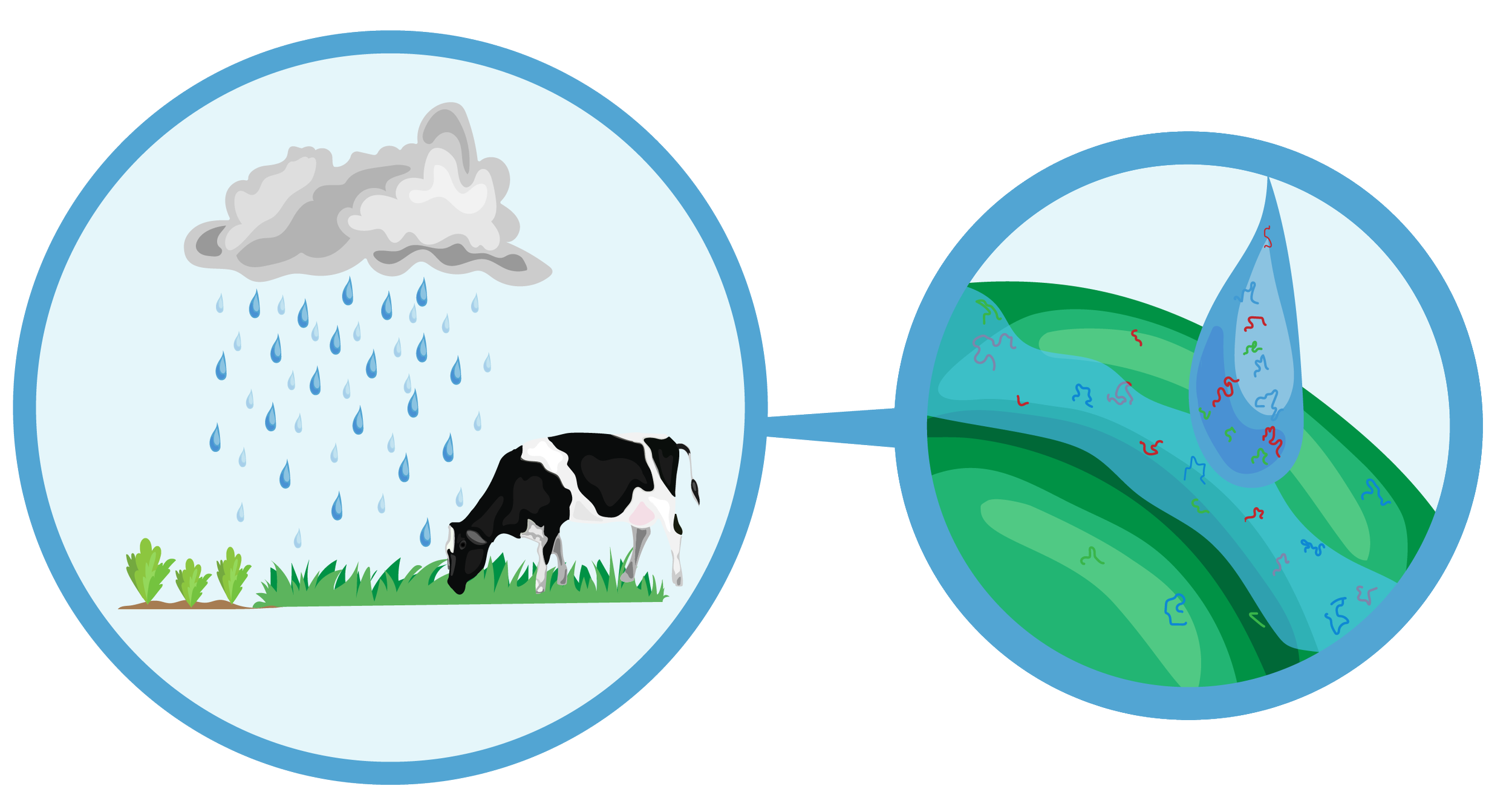
In Rainfall
“Microplastics from roads, clothing, and oceans get swept into the atmosphere and fall with the rain… It’s much worse than the acid rain problem.”
In Agricultural Soils
“All the common polymer types — PE, polypropylene, polystyrene, and PVC — have been found in agricultural soils.”
In Seafood
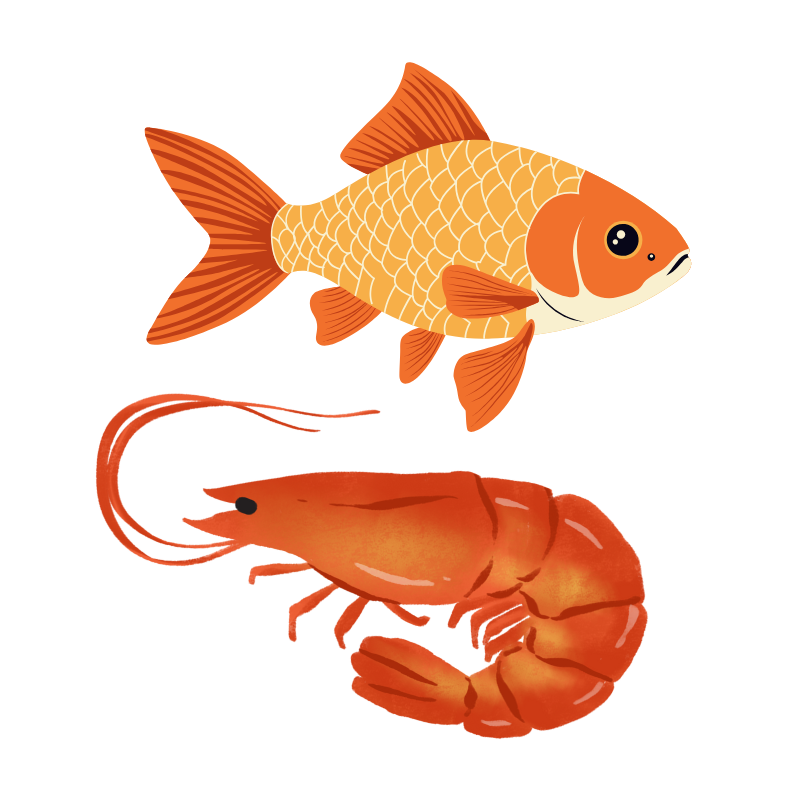
“Peer-reviewed study detected microplastics in 180 of 182 samples comprising five types of fish and pink shrimp.”
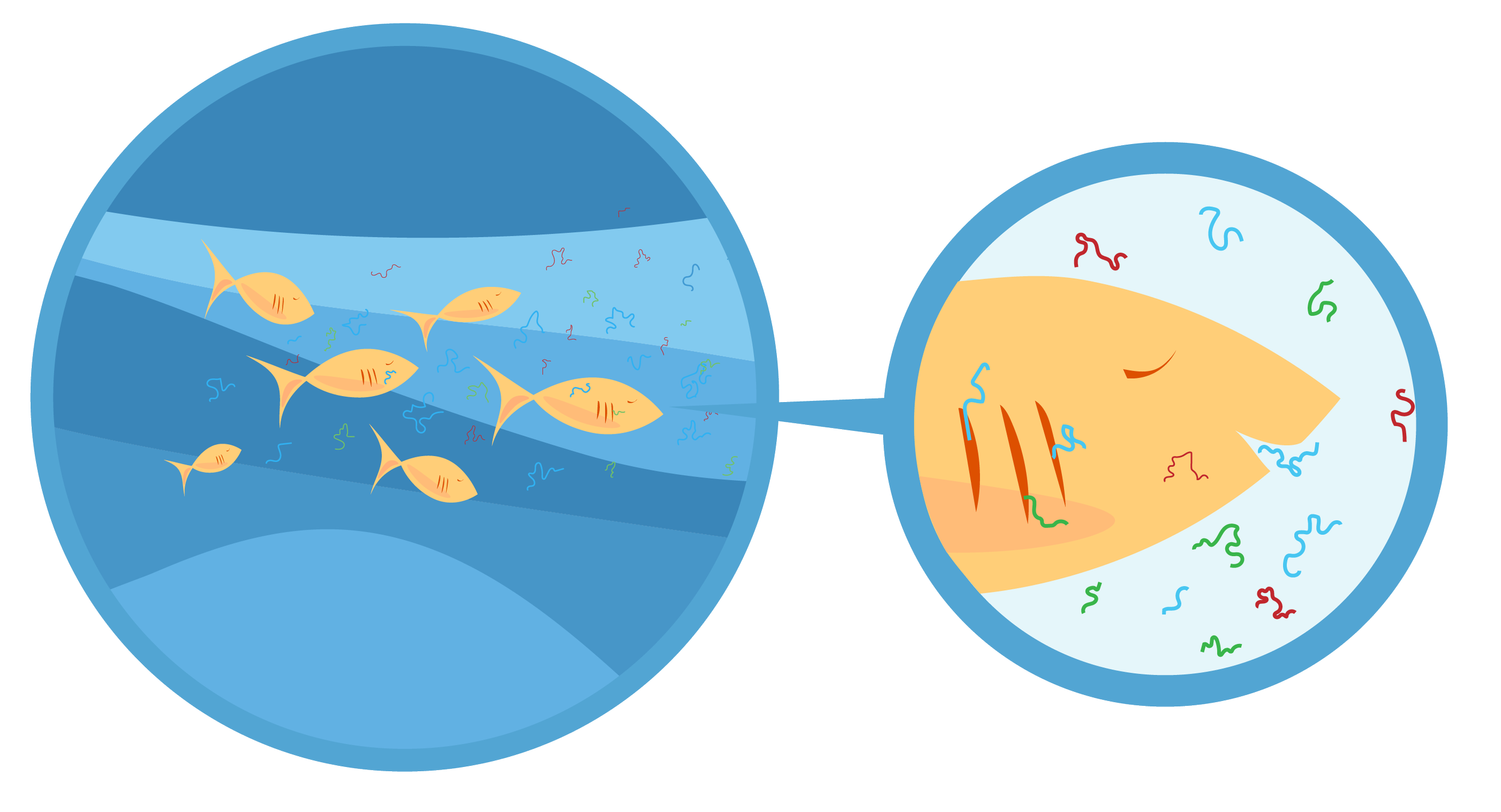
In Marine Life
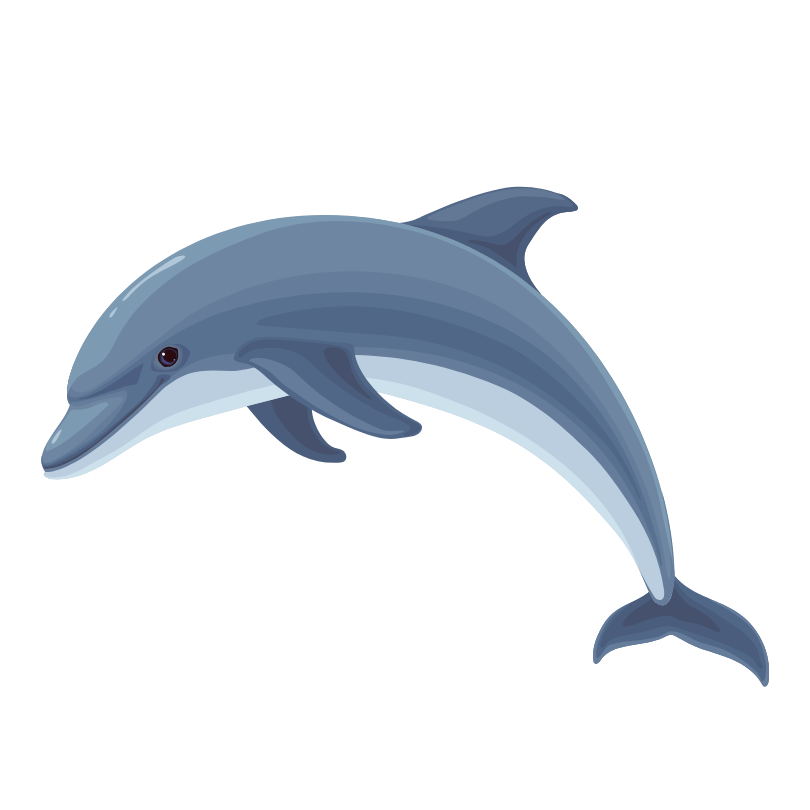
“A new investigation examined the stomach and intestines of five Indus River dolphins and found plastic in every single one.”
In the Air
“Microplastics in the air may be leading to lung and colon cancers.”
In Plants
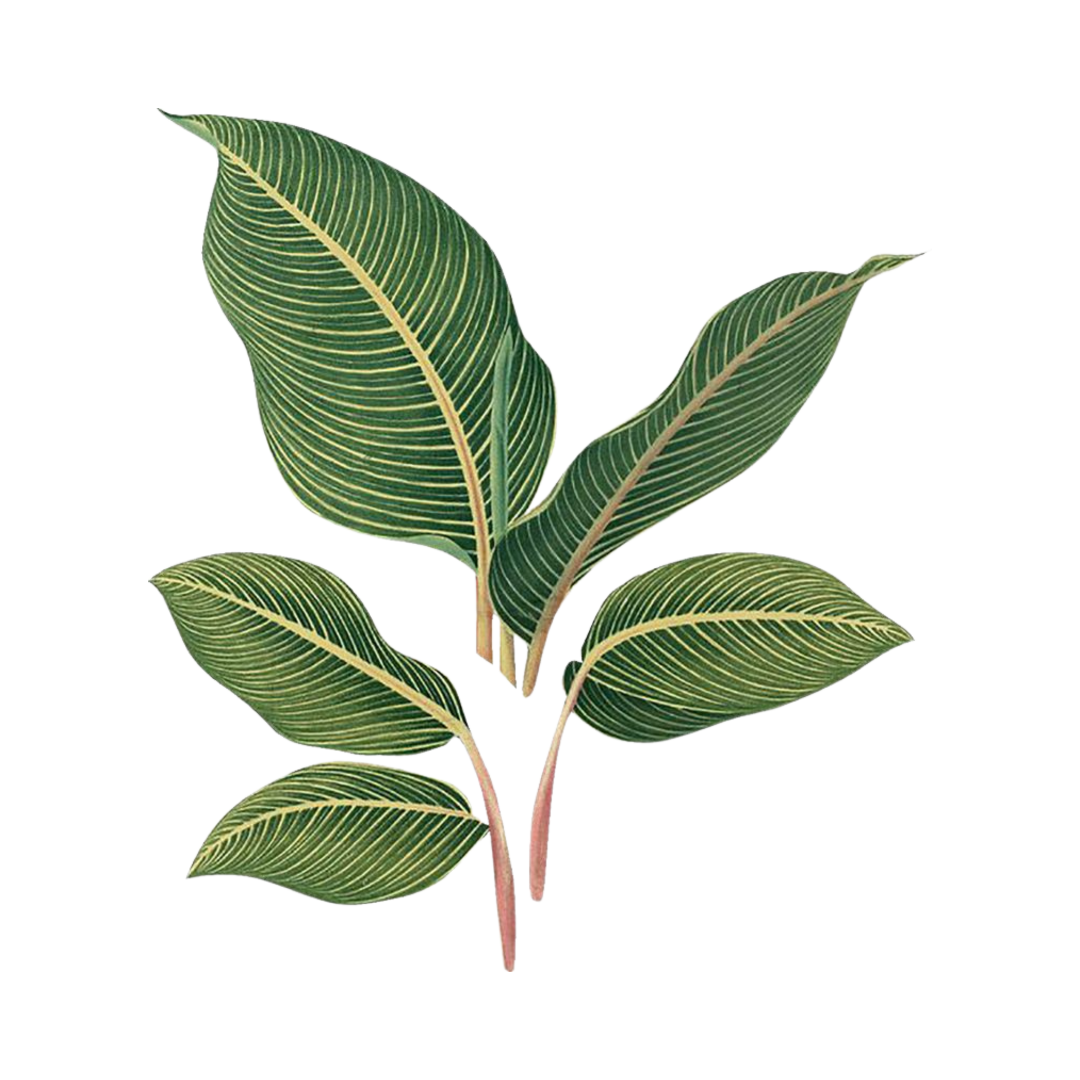
“Microplastics are messing with photosynthesis in plants”.
[Microplastics] are pervasive in food and drink and have been detected throughout the human body, with emerging evidence of negative effects. Environmental contamination could double by 2040, and wide-scale harm has been predicted.
Source: Science.org
The #1 Source of Microplastics: Your Laundry
Every load of laundry can release up to millions of microplastics into our waterways.
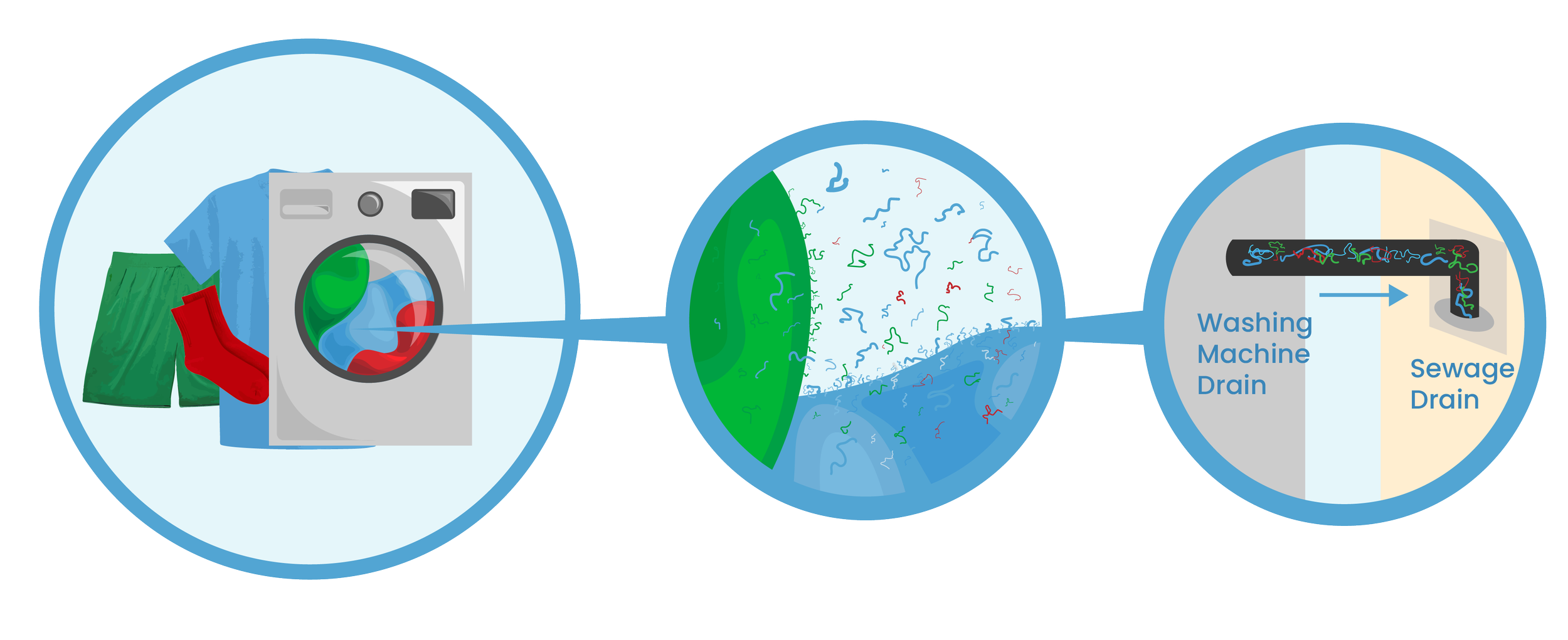
Microplastics Shed in the Washing Machine…
Each load can shed millions of microfibers from synthetics. Without capture at the source, those fibers leave the home with greywater.
Escaping Wastewater Treatment…
Many plants aren’t designed for microplastics. Some pass through to rivers; others return to soils via biosolids.
Spreading Through the Environment
Escaped fibers accumulate in rivers, lakes, and coasts, travel with runoff and wind, and are ingested by wildlife.
We Can Stop Microplastic Pollution Before it Starts
CLEANR’s microplastic filter attaches to any washing machine to trap 90%+ of microplastics before they pollute our environment. With one simple step, we can protect our rivers, oceans, and communities, starting from your laundry room.
Works on any washing machine make or model
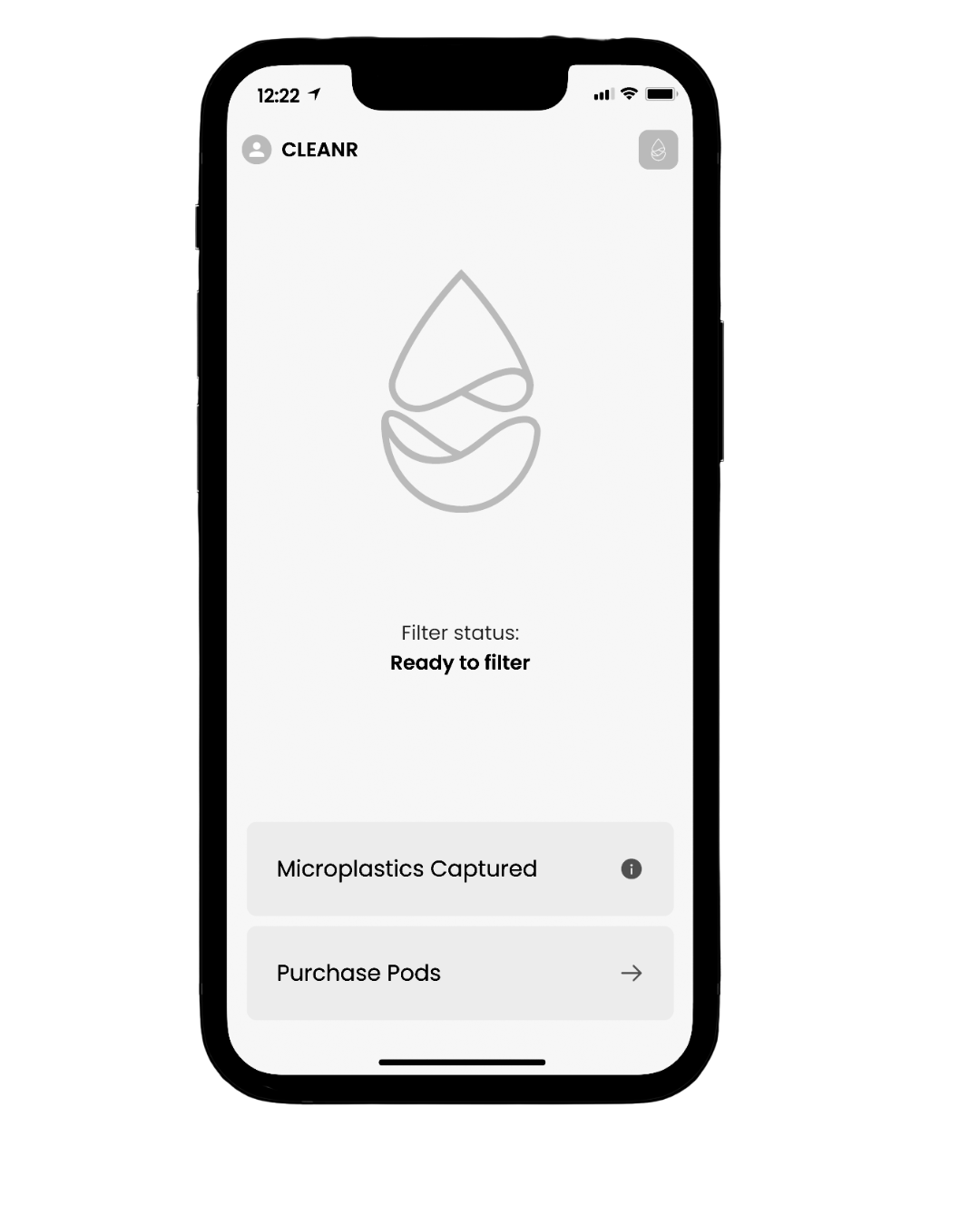
See & measure your impact
with the CLEANR App
Together, the Impact is Monumentous
If every U.S. household installed CLEANR, we’d stop nearly 29,000 tons of microplastics every year, before they ever reach our water
Calculate Your Impact
—
Microplastics removed
—
Gallons of water filtered
Here is what you can capture after just 5 loads
FAQs
Will CLEANR fit my washing machine?
Yes! CLEANR is designed to work will all residential washing machine models (front-load and top-load). CLEANR has been tested across all major brands of washing machines and is compatible + installed in consumer homes across a large variety of washing machine makes and models.
How do microplastics move from my washing machine into the environment?
Fibers shed off of your clothes during the wash cycle and go down the drain with the laundry wastewater. They then slip past wastewater treatment or septic systems and spread throughout the environment.
Why does capturing microplastics at the source matter for the environment?
Intercepting fibers in-home prevents them from entering water and soil pathways in the first place. It’s the most direct way to cut environmental load, reduce downstream treatment burdens, and limit accumulation in ecosystems.
I have a septic system. Do I still have an effect on the environment?
Yes! Septic tanks don’t target microplastics. Fibers can settle into sludge or migrate to drain fields and surrounding soils, where they can persist and potentially reach groundwater or nearby waterways. Capturing them at the source keeps them out of the system entirely.
Natural vs. synthetic fibers: what’s the difference environmentally?
Both synthetic (polyester, nylon, acrylic) and natural fibers (cotton, wool) shed microplastics in the washing machine. Synthetic fibers are made of plastic, and the natural fibers are coated in plastic, toxic dyes, and other chemicals that can harm the environment.
What regulations or standards are emerging to fight microplastic pollution?
Policies are evolving globally to curb microplastic pollution, including proposals and standards focused on laundry-shed microfibers. Introduced in July 2025 in the U.S. House (H.R. 4694), the Fighting Fibers Act would require new washing machines sold in the U.S. to include microfiber-capture filters, aiming to stop pollution at the source.
What environmental impacts do laundry microplastics have in waterways and soils?
In water, microplastics can transport chemicals, reduce water quality, and be ingested by plankton, fish, and invertebrates, moving up food webs. In soils, they can alter structure and water retention and may affect microbes and plant health.